
How a Common Virus Sabotages an Immune “Traffic Controller”
Researchers found a key immune “traffic controller” protein that a common virus can hijack to weaken immune defenses.
In a major scientific breakthrough, researchers from Monash University and the Lions Eye Institute have discovered a tissue protein that acts as a central ‘traffic controller’ for immune cells and can be hijacked by a virus to weaken immune responses.
Published in Nature, the study discovered a key mechanism that controls how immune cells coordinate their responses, and how a common virus can sabotage it. The research reveals that a molecule called CD44 centrally controls the network of support cells that guide immune system function.
Within this network of support cells, stromal cells help immune cells move efficiently and exchange the information needed to fight infections, respond to vaccines, and maintain overall health.
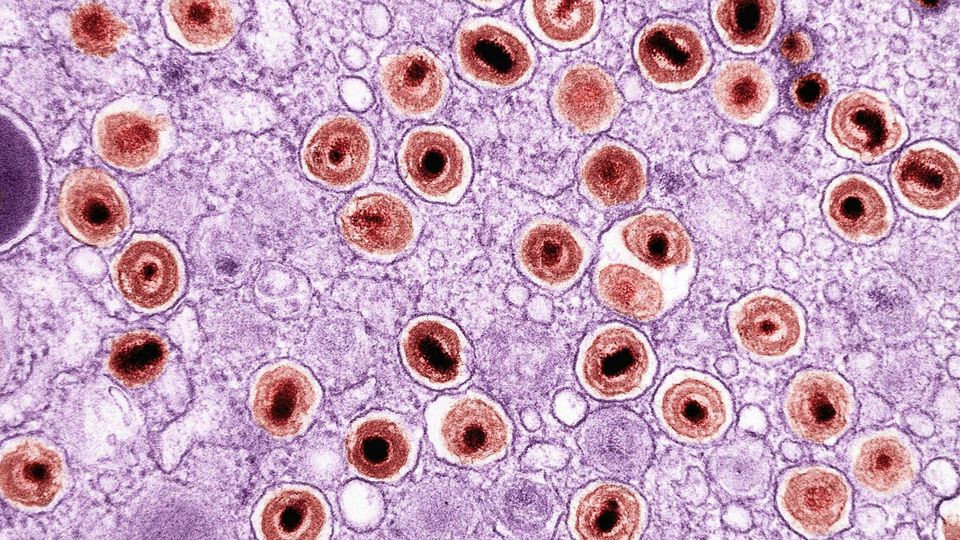
In a landmark finding, the research team discovered that cytomegalovirus (CMV) can hijack this system by producing a protein that blocks CD44 function on stromal cells, derailing immune cell traffic at its source and weakening the body’s antiviral response.
Lead researcher Professor Mariapia Degli-Esposti, Head of Experimental and Viral Immunology at Monash Biomedicine Discovery Institute and Head of Experimental Immunology at the Lions Eye Institute, said the findings fundamentally change how scientists understand the signals that shape immune function.
“Think of the immune system like a busy city with millions of cells patrolling to keep us safe,” Professor Degli-Esposti said.
“CD44 acts as the central traffic controller; it keeps immune cells moving and coordinates their interactions at the right place and time.
“Our study identifies CD44 as a master regulator of immune cell movement and communication and shows that viruses can undermine immunity not only by attacking immune cells directly, but also by targeting the essential tissue infrastructure they rely on.
“This is a completely new way for a virus to target an immune response.”
Co-lead researcher Dr Chris Andoniou, a Senior Research Fellow at Monash Biomedicine Discovery Institute and at the Lions Eye Institute, said the findings have wide-ranging implications for human health.
“Because CD44 plays such a central role in regulating immune activity, drugs inspired by the viral protein identified in this study could be developed to precisely dampen harmful inflammation,” Dr Andoniou said.
“By learning from the virus, we may be able to design therapeutic molecules that safely reduce excessive immune activation, which could ultimately help manage and treat autoimmune conditions.
Reference: Sng XYX, Voigt V, Schuster IS, et al. Fibroblastic reticular cells direct the initiation of T cell responses via CD44. Nature. 2026. doi: 10.1038/s41586-025-09988-8
This article has been republished from the following materials. Note: material may have been edited for length and content. For further information, please contact the cited source. Our press release publishing policy can be accessed here.
 Add Technology Networks as a preferred Google source to see more of our trusted coverage.

