
New Mulching Film Can Protect Plants Without Pesticides or Plastics
Using citronella oil, the new biodegradable films can repel pests without contributing to plastic pollution or pesticide use.
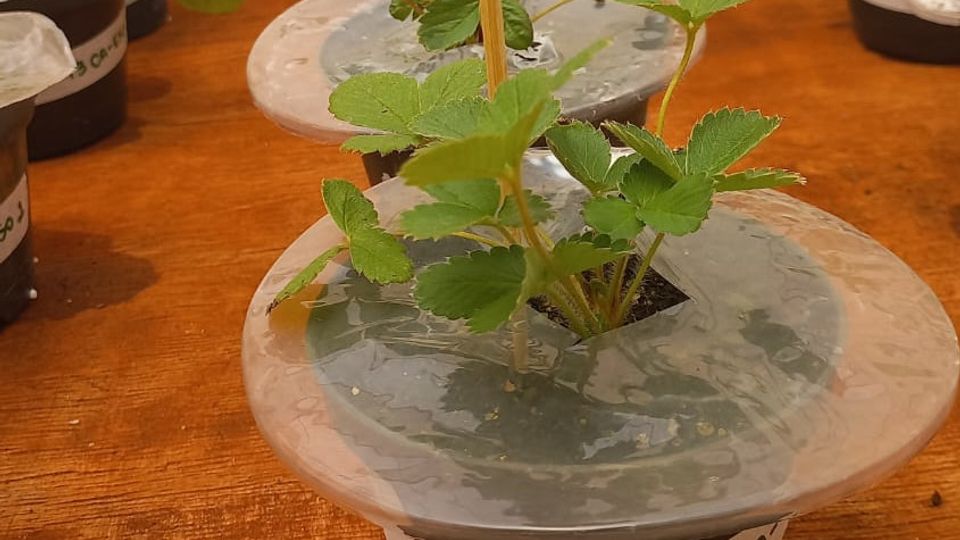
Whether you’re a home gardener or an industrial farmer, you might be familiar with mulching films — plastic sheets laid over the soil to protect seedlings and promote crop growth. But like many other plastic materials, these films can release damaging microplastics and don’t have any insect-repelling power. So, a team reporting in ACS Agricultural Science & Technology has developed an alternative biodegradable mulching film that also naturally repels pests using citronella oil.
“This research shows that it is possible to protect crops using biodegradable materials that reduce both pesticide use and plastic pollution. Our goal is to bring farmers closer to safer and more sustainable agricultural practices,” explains Camila Gil, the corresponding author of the study.
Mulching films retain moisture in the soil and prevent weed growth, but they’re often made from polyethylene plastic. As a result, the films are hard to recycle and can release microplastics that negatively impact soil organisms. Now, scientists are developing biodegradable mulching films using plant-based polymers such as cellulose acetate. Gil and colleagues wanted to improve a cellulose acetate film by including the insect repellant citronella oil. So, the team created a robust, citronella oil-infused film and investigated how well that film protected strawberry plants from a common pest: the silverleaf whitefly (Bemisia tabaci).
The researchers created films with varying concentrations of citronella oil and found that the oil did not reduce the film’s strength or flexibility. However, the new film did not retain moisture as well as traditional plastic film. To simulate a realistic use case, researchers covered the soil of strawberry plants with one of the different films and wrapped the setups in insect-capturing nets. Then they released around 25 whiteflies inside the nets. This setup was repeated on an unprotected control plant and on a plant protected with polyethylene film. The team found that after seven days, pests laid around six eggs on plants protected with the citronella-oil-containing films, far fewer than the 30-plus eggs laid on plants with traditional plastic film or no soil protection at all.
The researchers say that this work represents a step toward a more environmentally friendly way to protect crops without using plastics or environmentally damaging pesticides.
Reference: Rezende GM, De Souza EG, Dos Reis MV, Haddi K, De Oliveira JE, Gil CSB. Citronella oil incorporated into active mulching films for insect control in strawberry crop. ACS Agric Sci Technol. 2025;5(11):2166-2175. doi: 10.1021/acsagscitech.5c00451
This article has been republished from the following materials. Note: material may have been edited for length and content. For further information, please contact the cited source. Our press release publishing policy can be accessed here.
 Add Technology Networks as a preferred Google source to see more of our trusted coverage.

