
HPV Tricks Cells To Weaken the Immune System
HPV16 suppresses immune defense by driving IL-23 release and blocking the protein may boost therapeutic cancer vaccines.
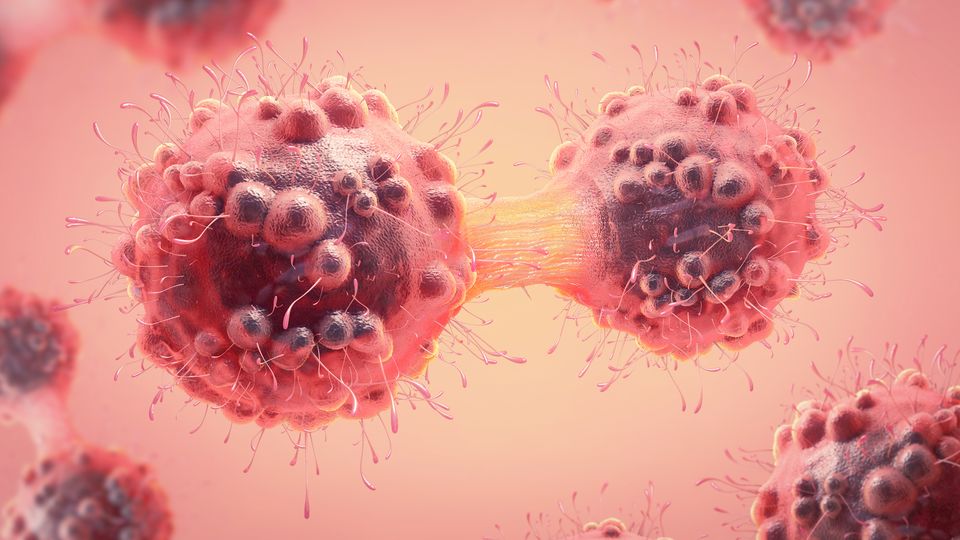
Researchers at the Keck School of Medicine at the University of Southern California have uncovered how the most common cancer-causing strain of human papillomavirus (HPV) suppresses the body’s immune response. In a study published in the Journal for ImmunoTherapy of Cancer, the team showed that the virus stimulates nearby cells to release a protein called Interleukin-23 (IL-23), which prevents the immune system from mounting an effective response. Blocking this protein in mice allowed experimental cancer vaccines to work more effectively.
Interleukin-23 (IL-23)
An inflammatory signaling protein involved in immune system regulation.Therapeutic vaccine
A type of vaccine designed to stimulate the immune system to target existing infections or disease, such as cancer.
HPV16 is responsible for more than half of cervical cancers and ~90% of HPV-related throat cancers. Although the preventive vaccine Gardasil-9 is effective, it must be administered before HPV exposure. For individuals who are already infected, therapeutic vaccines are being developed to help the immune system identify and eliminate infected cells. These vaccines are currently in clinical trials but have shown limited success.
How HPV suppresses immune activity
The study focused on two HPV proteins, E6 and E7, which are known to contribute to cancer development. The researchers found that these proteins drive the production of IL-23 in cells surrounding the tumor. IL-23 then interferes with the activity of T-cells – immune cells responsible for identifying and killing infected or abnormal cells.
T-cells
A type of white blood cell that plays a central role in immune responses.The presence of IL-23 reduced the ability of T-cells to multiply and attack tumor cells. However, when IL-23 was neutralized using antibodies, T-cell activity increased. In mouse models implanted with HPV16-related tumors, blocking IL-23 significantly improved the effect of an experimental therapeutic vaccine.
“In order to eliminate the cancer, T-cells need to proliferate and destroy infected cells. But IL-23 stops them from working effectively, so the tumor keeps growing.”
Dr. W. Martin Kast.
Improving treatment strategies
Therapeutic vaccines are designed to train the immune system to target specific antigens. In this study, mice received a vaccine that promoted the development of HPV-specific T-cells. The researchers observed that combining this vaccine with IL-23 inhibition led to a stronger immune response and longer survival in mice compared to either treatment alone.
In addition to cell and animal models, the team analyzed tumor RNA and chromatin to understand how E6 and E7 drive IL-23 expression. These findings offer a detailed view of how HPV manipulates its environment to evade the immune system.
“The fact that these antibodies are already FDA-approved for something else makes this approach promising, and it also allows for rapid translation into the clinic.”
Dr. W. Martin Kast.
Broader implications
The study’s findings help explain why therapeutic vaccines for HPV have had limited efficacy in clinical trials. By identifying IL-23 as a key barrier to immune activation, the research opens the possibility of improving treatment through combination approaches.
Researchers are also investigating whether IL-23 plays a similar role in other cancers where it is found at high levels, including bladder and testicular cancers. Further studies will be needed to confirm whether the same mechanism contributes to immune suppression in these settings.
Reference: Kast WM, Prins R, Fernandez D, Akbari O. HPV16 E6 and E7 expressing cancer cells suppress the anti-tumor immune response by upregulating KLF2 mediated IL-23 expression in macrophages. J ImmunoTherapy Can. 2025. doi: 10.1136/jitc-2025-011915
This article has been republished from the following materials. Note: material may have been edited for length and content. For further information, please contact the cited source. Our press release publishing policy can be accessed here.
This content includes text that has been generated with the assistance of AI. Technology Networks' AI policy can be found here.
 Add Technology Networks as a preferred Google source to see more of our trusted coverage.

