
mRNA Cancer Vaccine Combined With Immunotherapy Cuts Melanoma Recurrence Risk
Five-year efficacy data show that mRNA cancer vaccine combined with Keytruda® reduces melanoma recurrence risk by 49%.
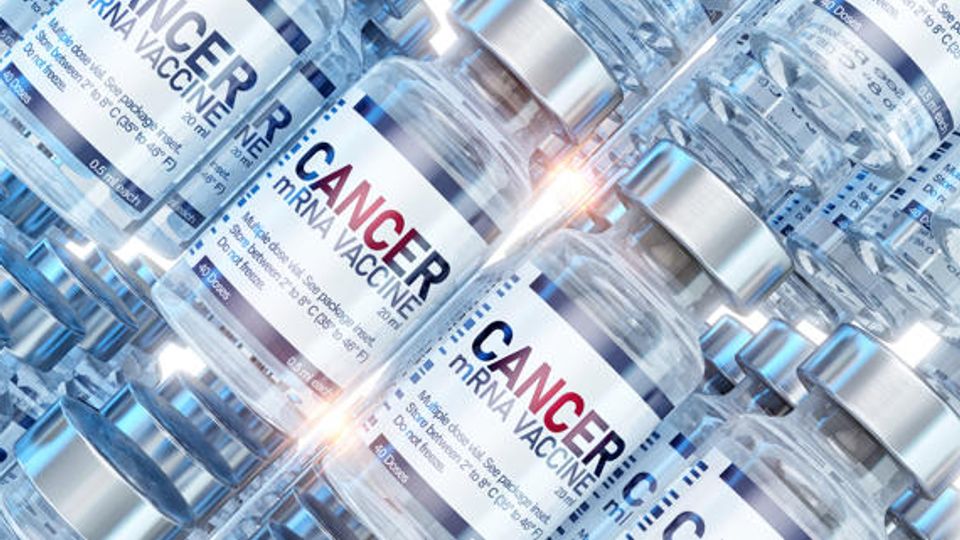
Moderna & Merck recently announced their five-year safety and efficacy follow-up data from the Phase 2b KEYNOTE-942/mRNA-4157-P201 study.
Patients treated with the personalized cancer vaccine intismeran autogene, in combination with the immune checkpoint inhibitor Keytruda® (pembrolizumab), experienced a 49% lower risk of recurrence or death, following complete resection (surgical removal) of high-risk stage III/IV melanoma, compared to those who received Keytruda alone.
Melanoma is the deadliest form of skin cancer
Melanoma is a type of skin cancer that occurs within melanocytes, the cells responsible for skin pigmentation. While melanoma accounts for a low proportion of skin cancers overall, its ability to invade surrounding tissues and metastasize makes it the most lethal. Even following diagnosis, complete resection of melanoma, and use of adjuvant therapy, risk remains, with five-year recurrence rates as high as 50% for stage II‒IV melanomas following resection.
Keytruda® keeps “anti-cancer” action on
Programmed death ligands
Programmed death ligands (PD-L1 and PD-L2) bind to T-cell programmed death receptor-1 (PD-1), acting as an “off switch” that allows cancer to evade the immune system.
Keytruda® is an anti-PD-1 monoclonal antibody; it belongs to a group of immunotherapies called immune checkpoint inhibitors (ICIs) and blocks tumor-induced inhibition of the immune response. When used alone, adjuvant pembrolizumab prolongs recurrence-free survival.
However, recurrence rates remain high. Eggermont et al., found that five-year recurrence rates were as high as 44.6% in patients with resected stage III melanoma treated with pembrolizumab.
The cancer vaccine: intismeran autogene
Intismeran autogene is a novel, mRNA-based cancer vaccine. It uses mRNA to deliver instructions targeting up to 34 tumor-specific proteins, enabling a response tailored to the mutational signature of the patient’s tumor.
A two-pronged approach—KEYNOTE–942
KEYNOTE–942 is an ongoing, randomized, open-label clinical trial sponsored by Moderna in collaboration with Merck. It is currently in Phase 2b.
KEYNOTE–942
At the time of writing, 157 patients with high-risk stage III/IV melanoma have been enrolled.
Following complete resection, patients were assigned in a 2:1 ratio to receive intismeran autogene and Keytruda in combination for one year, or Keytruda alone until either disease recurrence or unacceptable toxicity.
Intismeran autogene was administered every 3 weeks for 9 doses, while Keytruda was administered every 3 weeks for up to 18 cycles.
The latest five-year efficacy data showed that intismeran autogene in combination with Keytruda reduced the risk of recurrence and mortality by 49% compared to Keytruda alone.
These results build on previous two- and three-year efficacy data, which also showed a 49% reduction in recurrence and mortality. Safety data remained consistent throughout all analyses.
What are the possibilities for cancer vaccines?
According to Dr. Biswajit Podder, oncology and hematology analyst at Global Data, if Phase 3 studies confirm the benefits of this combination treatment, adjuvant care will move “from anti-PD-1 therapy towards a combination of anti-PD-1s and personalized immune priming strategy” for patients deemed “high-risk”.
If the intismeran autogene and Keytruda combination treatment receives US regulatory approval, it would be the first of its kind on the market. However, clinical application of the therapy may face challenges due to the dual combination's individualized, intensive nature.
Market entry may also face challenges related to regulatory scrutiny and public debate around the safety of mRNA vaccines. Recent changes to funding and regulatory focus in the United States have impacted mRNA vaccine research and development.
Research into the application of this cancer vaccine, not limited to melanoma, continues, with eight Phase 2 and 3 clinical trials underway across multiple tumor sites.
Dr. Kyle Holen, Moderna’s senior vice president and head of development for oncology and therapeutics, stated that they “continue to invest in our platform in oncology because of encouraging outcomes like these, which illustrate mRNA’s potential in cancer care. We look forward to several additional milestones to come.”
This article is a rework of a press release issued by Clinical Trials Arena. Material has been edited for length and content.
 Add Technology Networks as a preferred Google source to see more of our trusted coverage.


