
Micro Spargers Improve Bioreactor Yields

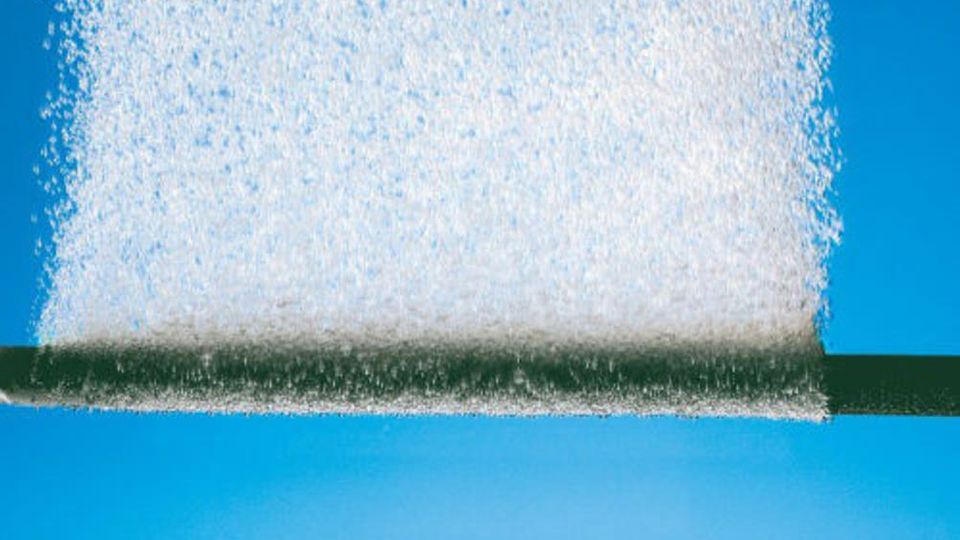
Biotech Fluidics has launched a range of micro spargers engineered to significantly reduce bubble size and increase gas transfer and volumetric mass transfer coefficient (kLa), resulting in reduced gas consumption and improved upstream reactor yields.
A micro sparger is a device that introduces a gas such as air, oxygen, or carbon dioxide into a liquid by creating very small bubbles. These devices, typically made from sintered porous materials like stainless steel, create tiny bubbles, which increases the surface area for gas-liquid contact, leading to more efficient mass transfer and enabling processes like aeration and fermentation.
Biotech Fluidics has teamed up with MOTT Corporation to offer micro spargers for bioreactor applications that efficiently dissolve gases, promote cell growth, and provide agitation. These micro spargers have proven to increase benchtop laboratory bioreactor and fermenter mass transfer rates by 100% to 400% over standard drilled pipes or single-opening dip tubes.
Biotech Fluidics offers a wide variety of porous metal sparger tips for laboratory and pilot scale bioreactors and fermenters. With media grades ranging from 2 µm to 15 µm, Biotech Fluidics can offer a micro sparger optimized to generate bubble sizes which are optimal for your specific media, organism, and mass transfer requirements. Whatever your bioreactor application, there is a micro sparger tip optimized for your needs.
 Add Technology Networks as a preferred Google source to see more of our trusted coverage.

