
Bacterial Therapy Developed for Immune-Independent Cancer Treatment
The therapy, known as AUN, is composed of two naturally occurring bacterial species.
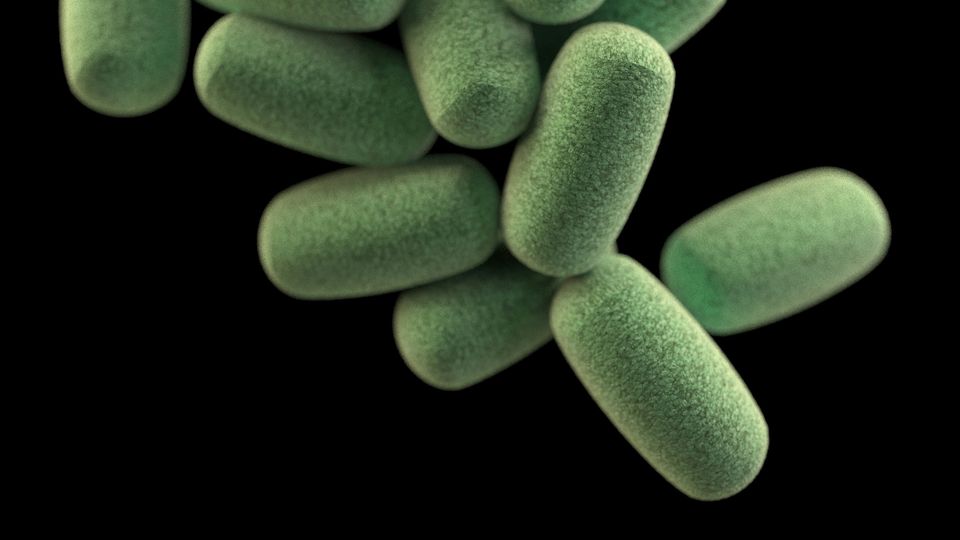
Researchers from the Japan Advanced Institute of Science and Technology, in collaboration with Daiichi Sankyo and the University of Tsukuba, have developed a bacteria-based cancer therapy that does not rely on the immune system. The therapy, known as AUN, is composed of two naturally occurring bacterial species and demonstrated significant tumor eradication in preclinical models.
Addressing the limitations of immunotherapy
Cancer immunotherapy has evolved for more than 150 years, from early bacterial infection approaches to modern treatments such as checkpoint inhibitors and CAR-T cells. These therapies rely on a patient’s immune response, which limits their effectiveness in individuals whose immune systems are compromised by chemotherapy or radiotherapy.
The AUN therapy bypasses this reliance by combining two bacteria: Proteus mirabilis (A-gyo), which resides in tumors, and Rhodopseudomonas palustris (UN-gyo), a photosynthetic bacterium. The pair acts synergistically to eliminate tumors in both murine and human cancer models, including those with immunocompromised environments.
Mechanisms of action
The study identified several mechanisms underlying AUN’s antitumor effects:
- Targeted destruction of tumor blood vessels and cancer cells
- Structural changes in A-gyo triggered by tumor-derived metabolites, enhancing its activity
- A shift in bacterial populations inside tumors from an initial ratio of approximately 3:97 (A-gyo:UN-gyo) to 99:1
- Reduced risk of cytokine release syndrome and other side effects
UN-gyo functions primarily as a regulatory partner, reducing pathogenicity while enhancing the tumor-specific cytotoxicity of both species. The cooperative interaction between the bacteria reflects the concept of “AUN,” a term derived from Japanese philosophy describing harmonious duality.
Preclinical findings and future directions
In animal and ex vivo human tumor models, AUN therapy was well tolerated and highly effective without immune cell involvement. The research team plans to advance toward clinical trials within six years.
This development represents a new avenue in cancer treatment research aimed at patients who are unable to benefit from conventional immunotherapies.
Reference: Iwata S, Nishiyama T, Sakari M, et al. Tumour-resident oncolytic bacteria trigger potent anticancer effects through selective intratumoural thrombosis and necrosis. Nat Biomed Eng. 2025. doi:10.1038/s41551-025-01459-9
This content includes text that has been generated with the assistance of AI. Technology Networks' AI policy can be found here.
 Add Technology Networks as a preferred Google source to see more of our trusted coverage.

