Advances in Cell Models: An Expansive Menu of Choices
Listicle
Last Updated: March 24, 2022
Written by
Masha Savelieff, PhD
Masha Savelieff holds a PhD in chemistry from the University of Illinois. She completed postdoctoral training in Alzheimer’s disease, cancer research and metabolic disease at the University of Michigan.
Learn about our editorial policies
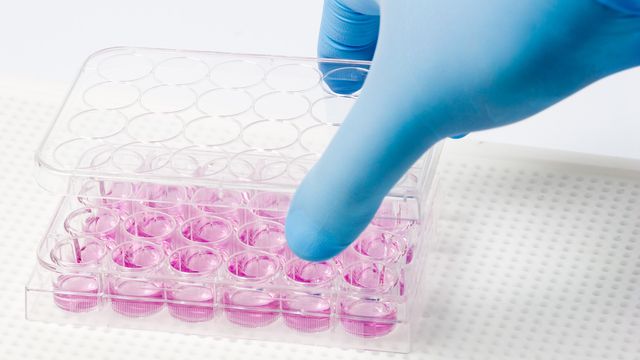
The last decade has seen burgeoning applications of advanced in vitro cell models, encompassing spheroids, organoids, microfluidic devices, 3D-printed scaffolds and 3D bioprinting. These technological advances have led to a wide array of menu choices.
Download this listicle to learn more about:
- The reasons to utilize advanced cell models
- How these models are developed and their available formats
The applications of such models
Meet the Author
Masha Savelieff is a professional freelance scientific writer. She began her science career in chemistry at the American University of Beirut in Lebanon, where she earned her BSc and MSc degrees. She then went on to receive her PhD, also in chemistry, from the University of Illinois in 2008. Masha then branched out into biology and biomedical research by completing her postdoctoral training in Alzheimer’s disease at the University of Michigan. Finally, she widened her biology experience in cancer research and metabolic disease, also at U-M. Masha now writes full-time on a breadth of scientific topics.
Related Topic Pages
Advertisement