
Decrease in Ribosomes Detected During Neurodevelopment
Researchers have identified a stage of neurodevelopment where differentiating neural cells produce fewer ribosomes.
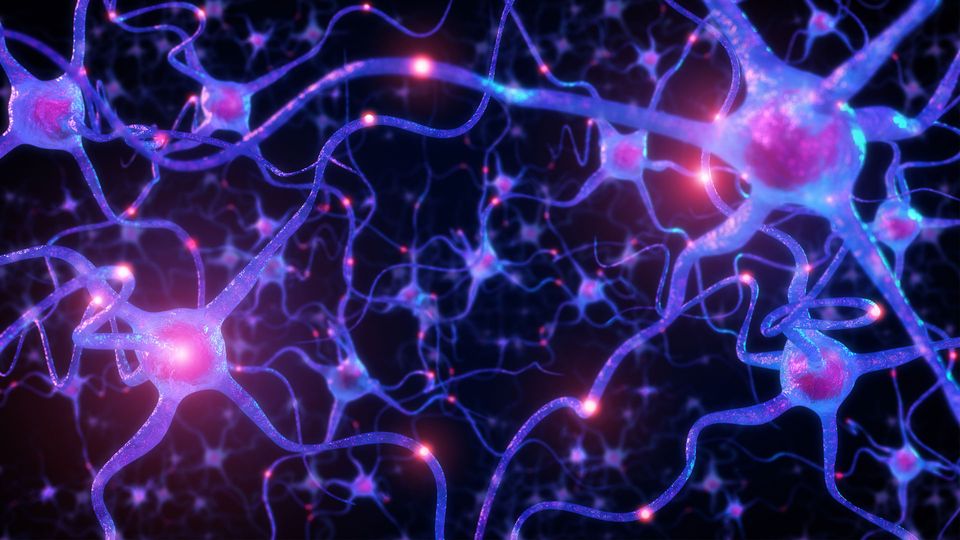
A team led by UT Southwestern Medical Center scientists has identified a specific stage of neurodevelopment when differentiating neural cells produce fewer ribosomes, which are responsible for making proteins. This subsequent drop in protein production, they report in Nature Cell Biology, helps explain why mutations that further affect ribosome production can cause neurodevelopmental disorders.
“We find that ribosome levels decrease during neuroepithelial differentiation, a very early step in human brain development, making differentiating cells particularly vulnerable to changes in ribosome biogenesis during this time,” said Michael Buszczak, Ph.D., Professor of Molecular Biology at UT Southwestern.
Dr. Buszczak co-led the study with UT Southwestern collaborators Jun Wu, Ph.D., Associate Professor of Molecular Biology; Chunyang Ni, Ph.D., a former researcher in the Buszczak Lab who is now at Stanford University; and Yudong Wei, Ph.D., postdoctoral fellow in the Buszczak Lab. International collaborators were Barbara Vona, Ph.D., Group Leader of the Institute for Auditory Neuroscience at University Medical Center Gottingen in Germany, and Reza Maroofian, Ph.D., Research Fellow at University College London.
The researchers homed in on a group of neurodevelopmental disorders that share a set of features, including severe intellectual disability, low muscle tone, hearing and vision impairment, and small brain size. These disorders are linked to mutations in a gene known as AIRIM that plays a key role in generating ribosomes. But how the genetic mutations cause these features has been unknown.
Working with the Wu Lab – which specializes in creating model systems called organoids that replicate the development of organs – the researchers genetically manipulated cells carrying the genetic defects to revert into stem cells that formed brain organoids. For comparison, they did the same with defect-free cells.
They then tracked the organoids’ development. By day 15 – a crucial point in which specific descendants of stem cells called neuroepithelial cells transition into more specialized cells called radial glia – organoids made from mutated cells were smaller and more of their cells died.
A closer look showed that cells in both types of organoids made fewer ribosomes during this time. However, organoids carrying mutations in AIRIM had even fewer ribosomes than normal. Subsequent experiments showed that this dearth of ribosomes in the mutated organoids led their cells to produce lower levels of certain proteins, particularly those involved in cell survival and cell differentiation.
By genetically or pharmaceutically prompting cells to increase the activity of mTOR – a protein that encourages protein production – the researchers “rescued” the cells carrying the genetic defects. These cells then formed organoids of the same size and similar protein production to those made of nonmutated cells. Dr. Buszczak suggested that a similar intervention could someday be used to treat some neurodevelopmental disorders caused by ribosome deficiencies in patients before they’re born, potentially sparing them from the symptoms of these neurodevelopmental conditions. He and his colleagues plan to investigate whether the symptoms of other neurodevelopmental disorders caused by genetic mutations in ribosome-related genes are connected to similar natural dips in ribosome production during development.
Reference: Ni C, Wei Y, Vona B, et al. A programmed decline in ribosome levels governs human early neurodevelopment. Nat Cell Biol. Published online August 4, 2025:1-16. doi:10.1038/s41556-025-01708-8
This article has been republished from the following materials. Note: material may have been edited for length and content. For further information, please contact the cited source. Our press release publishing policy can be accessed here.
 Add Technology Networks as a preferred Google source to see more of our trusted coverage.

