
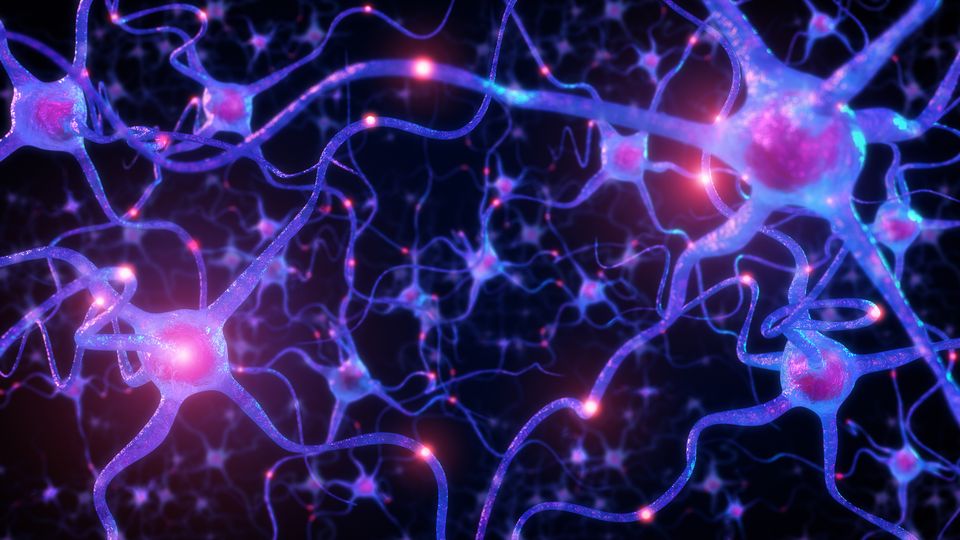
Parvalbumin cells play a central role in keeping brain activity in equilibrium. They control nerve cell signalling, reduce overactivity and make sure that the brain is working to a rhythm. Researchers sometimes describe them as the cells that “make the brain sound right”.
When these cells malfunction or decrease in number, the balance of the brain is disrupted. Previous studies suggest that damaged parvalbumin cells may contribute to disorders such as schizophrenia and epilepsy.
Changing the identity of the cell
Researchers at Lund University have now developed a method to directly reprogram glial cells – the brain’s support cells – into new parvalbumin cells without passing a stem-cell stage. The study, published in Science Advances, builds on the researchers’ earlier work, but the method has now been fine-tuned and the the process of the identity change further understood.
“In our study, we have for the first time succeeded in reprogramming human glial cells into parvalbumin neurons –that resemble those that naturally exist in the brain. We have also been able to identify several key genes that seem to play a crucial role in the transformation,” says Daniella Rylander Ottosson, researcher in regenerative neurophysiology at Lund University, who led the study.
Skipping the stem-cell stage
Daniella Rylander Ottosson hopes that their method of transforming glial cells into parvalbumin cells will eventually be able to help patients.
The fact that parvalbumin cells are formed late in foetal brain development presents a challenge in the field – and also explains why it has been difficult for researchers to produce them in the lab from e.g. stem cells.
The breakthrough lies in directing glial cells to become neurons in a much faster process. By activating the correct genes, we force the glial cells to transform into parvalbumin cells, without the detour via stem cells. We hope it will be possible to improve the method using the new genes we have identified,” says Daniella Rylander Ottosson.
In the short term, this offers the researchera new way of producing the cells (from patients) in the lab, to study disease mechanism of schizophrenia and epilepsy. Longer term, the results could potentially lead to therapies that can replace lost or damaged brain cells directly in the brain.
Reference: Stamouli CA, Degener A, Cepeda-Prado E, et al. A distinct lineage pathway drives parvalbumin chandelier cell fate in human interneuron reprogramming. Sci Adv. 2026;12(1):eadv0588. doi: 10.1126/sciadv.adv0588
This article has been republished from the following materials. Note: material may have been edited for length and content. For further information, please contact the cited source. Our press release publishing policy can be accessed here.


