
From Optogenetics to Homochirality: An Overview of Recent Nobel Prize-Winning Research
Latest Nobel Prize winners have paved the way for innovations in neuroscience and chemical synthesis.
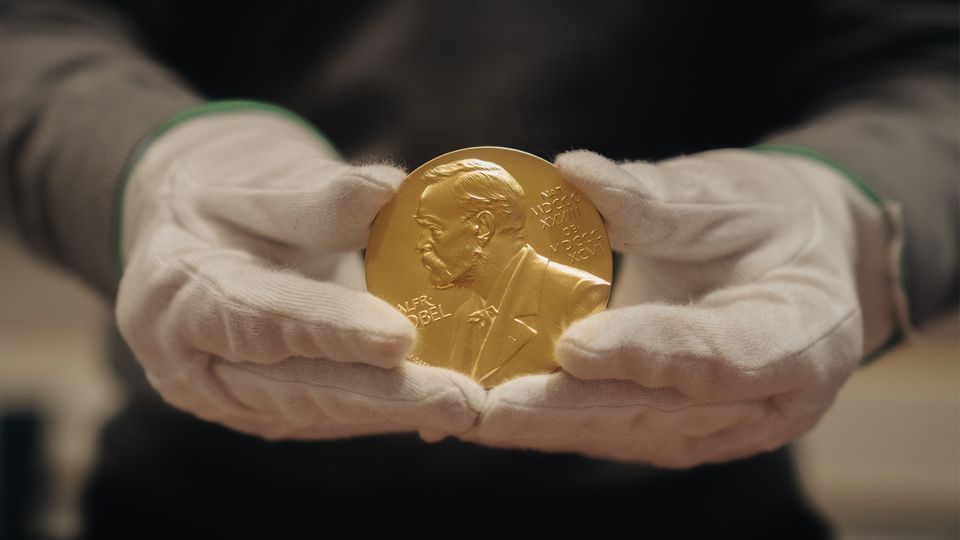
Every October, pioneering men and women are selected to join over a thousand Nobel laureates, who, in the words of the Prize’s founder, Swedish chemist, engineer, and inventor Alfred Nobel, “have conferred the greatest benefit to humankind.”
The Nobel Prize, first awarded in 1901, recognizes outstanding efforts in physics, chemistry, physiology or medicine, literature, and peace. In 1968, a new prize was established by Sweden’s central bank—the Sveriges Riksbank Prize in Economic Sciences in Memory of Alfred Nobel.
Nobel laureates have contributed significant advances in science and technology, from the discovery of the structure of DNA to advances in AI-driven protein structure prediction and design. Following the announcement of the latest Nobel Prize winners, we look back at the groundbreaking research and wider contributions of recent Nobel Prize winners in Physiology or Medicine and Chemistry.
2026—Protein “light switches” and asymmetric synthesis
The latest Nobel Prize in Physiology or Medicine recipients are Prof. Karl Deisseroth, Prof. Peter Hegemann, and Prof. Georg Nagel, whose findings laid the foundations for optogenetics—a method for mapping the brain circuits responsible for different behaviors.
It all began with Hegemann’s curiosity about how the algae Chlamydomonas could swim towards light. In the early 2000s, he and Nagel identified channelrhodopsin, an algal protein with unique properties, found on the cell’s surface. Shining light on this protein opened a channel, letting ions flow into the cell and creating an electrical impulse.
A few years later, Deisseroth and Nagel introduced the gene for channelrhodopsin into nerve cells from rats cultured in a Petri dish. Illuminating the cells with blue light triggered a nerve signal. Two years later, Deisseroth took the concept further by demonstrating that this light-controlled switch could work in the brains of living mice. This was the beginning of optogenetics.
Optogenetics now enables scientists to study how neural circuits govern certain behaviors. Researchers are actively using the technique to develop treatments to restore sight in people with visual impairment.
The 2026 Nobel Prize in Chemistry was awarded to Prof. Henri B. Kagan and Prof. Kenso Soai for solving the chemical mystery of how homochirality emerges spontaneously.
Homochirality—the fact that life favors one mirror image or “handedness” of a biological molecule over another—has remained unexplained for decades. Chemists strove to replicate this natural phenomenon in the lab, because in pharmaceutical development only one mirror image will have the desired effect. However, in experiments, they obtained equal proportions of both mirror images each time.
The first step toward so-called asymmetric reactions occurred in 1986 when Kagan discovered a way of manipulating chemical reactions to create more of one mirror image than the other.
In 1995, Soai made a breakthrough when he published a paper describing the first chemical reaction that had the potential to produce a single mirror image. In 2003, he succeeded, describing a reaction in which only one of the two possible mirror images was formed.
Kagan and Soai have shown how homochirality can emerge, paving the way for asymmetric synthesis in pharmaceutical manufacturing.
2025—Immune tolerance and metal–organic frameworks
In 2025, the Nobel Prize in Physiology or Medicine was awarded to Dr. Mary E. Brunkow, Dr. Frederick J. Ramsdell, and Prof. Shimon Sakaguchi for their discoveries concerning peripheral immune tolerance—the process that neutralizes auto-reactive lymphocytes to prevent the immune system from attacking the body’s own cells.
Sakaguchi made the first step in 1995 with the discovery of regulatory T cells (Tregs), a previously unknown class of immune cell that, when removed from mice, led to uncontrolled autoimmunity. The next discovery came in 2001, when Brunkow and Ramsdell uncovered Foxp3, a gene found in a strain of mice particularly vulnerable to autoimmune diseases.
Sakaguchi linked the breakthroughs in 2003, proving that the Foxp3 gene governs the development of Tregs, and launching the field of peripheral tolerance.
While no Treg-based therapies have been approved to date, more than 250 clinical trials are investigating their therapeutic potential in autoimmune diseases, cancer, and graft-versus-host disease.
How to Build an Effective Flow Cytometry Panel
This guide highlights strategies and solutions for building an effective flow cytometry panel to ensure reliable, reproducible data.View How To Guide
The same year, the Nobel Prize in Chemistry was awarded to Prof. Susumu Kitagawa, Prof. Richard Robson, and Prof. Omar M. Yaghi for the development of metal–organic frameworks (MOFs), three-dimensional materials with tunable pores constructed from metal ions connected by organic linkers.
Robson laid the foundations of the discovery, demonstrating that metal ions and organic molecules could be assembled into crystalline structures containing large cavities. Building on this, Kitagawa revealed that gases could flow in and out of MOFs and predicted that the materials could be made flexible. Yaghi developed exceptionally stable and highly porous MOFs, establishing methods for controlling their architecture and pore size.
The ability to control the size, shape, and chemistry of MOF pores means they can be used in a variety of ways, including the removal of contamination from wastewater, harvesting of water from desert air, and even drug delivery.
Beyond the Nobel Prize: Elizabeth Blackburn
At the 68th Lindau Nobel Laureate Meeting in 2018, Nobel laureate Elizabeth H. Blackburn called for “a more global way of thinking” about science and its role in the future. Her keynote helped spark the development of the Lindau Guidelines, a set of principles designed to promote sustainable, cooperative, and open science.
Blackburn discussed her Nobel Prize-winning research, her vision for the future of science and the origins of the Lindau Guidelines in an exclusive interview with Technology Networks.
2024—MicroRNA and AI-designed proteins
The Nobel Prize in Physiology or Medicine 2024 was jointly awarded to Prof. Victor Ambros and Prof. Gary Ruvkun for discovering microRNA and its role in post-transcriptional gene regulation.
Gene regulation enables different cells to use the same genetic information to express unique sets of proteins.
Initially, researchers thought gene regulation was controlled exclusively by transcription factors, which bind to DNA and determine which mRNAs are produced.
Accelerating Precision Medicine Through Antibody Discovery
This listicle explores how these technologies are reshaping therapeutic antibody discovery, from preserving native antibody pairings and uncovering rare candidates to accelerating selection and optimization.View Listicle
However, in 1993, Ambros and Ruvkun discovered a short RNA molecule in Caenorhabditis elegans that didn't code for a protein but could inhibit gene activity. This small RNA, dubbed microRNA (miRNA), affected gene expression not by regulating its mRNA production, but by blocking protein synthesis.
This finding exposed a new dimension to gene regulation and identified miRNAs as important mediators of gene expression.
Since then, research into miRNAs has focused on their roles in cellular processes including proliferation, differentiation, metabolism, and apoptosis, how they contribute to diseases such as cancer, and how they can be harnessed therapeutically, including in combination with CRISPR for gene-based therapies.
The Nobel Prize in Chemistry 2024 was awarded with one half to Prof. David Baker, for computational protein design, and the other half jointly to Dr. Demis Hassabis and Dr. John Jumper, for protein structure prediction.
The scientific quest to predict the structure—and therefore function—of a protein from its amino acid sequence has been described as a "grand challenge in biology" by Nobel Prize Laureate Prof. Venki Ramakrishnan.
In 2020, Hassabis and Jumper presented AlphaFold2—an AI model that predicts protein structures from amino acid sequences. Since its development, AlphaFold2 has predicted the structures of hundreds of millions of proteins, guiding molecular and cellular biology research, and informing rational drug design.
The structure prediction problem can also be solved by predicting the amino acid sequence that leads to a particular protein structure, a concept at the heart of protein design.
In 2003, Baker created a new protein, named Top7, unlike any other found in nature, signaling a breakthrough in computational protein design. Using their Rosetta software, Baker and his colleagues showed that they could create a wide range of new protein structures, with broad applications including pharmaceuticals, vaccines, nanomaterials, and sensors.
2023—mRNA vaccines and quantum dots
The 2023 Nobel Prize in Physiology or Medicine was jointly awarded to Dr. Katalin Karikó and Dr. Drew Weissman for their discoveries regarding nucleoside base modifications, which ultimately became key to the development of mRNA vaccines against SARS-CoV-2.
Overcoming Immune Suppression in Pancreatic Cancer With mRNA
In this webinar, explore findings from a recent Nature Communications study demonstrating enhanced immune cell activity, suppressed tumor growth, and improved survival in preclinical pancreatic cancer models.View Webinar
For decades, scientists believed that mRNA could be used in vaccine technology, but in vitro tests consistently ran into issues whereby the mRNA would trigger an inflammatory response that significantly hindered its therapeutic effects.
Karikó and Weissman's breakthrough came in 2005, when they began exploring whether mRNA variants that possessed chemically altered bases might produce a different result; bases in RNA in mammalian cells are frequently chemically modified, while in vitro transcribed mRNA is not.
When they delivered these variants to dendritic cells, they found that they triggered almost no inflammatory response. Karikó and Weissman would continue to overcome other critical obstacles in subsequent years, and by 2010, several major pharmaceutical companies were pursuing mRNA technology for vaccines.
In response to the COVID-19 pandemic, two base-modified mRNA vaccines, encoding SARS-CoV-2’s spike glycoprotein, were developed and approved for use within the year. The speed and flexibility of mRNA vaccine development helped save millions of lives, thanks to a discovery made less than two decades prior.
An Idea That Changed Medicine
Long before her work helped underpin the development of mRNA vaccines against SARS-CoV-2, Karikó spent years pursuing an idea that many doubted would work. Despite repeated funding and career setbacks, she continued to investigate the therapeutic potential of mRNA.
Karikó discussed her journey from a young researcher in Hungary to a Nobel Prize-winning scientist, as well as the challenges, setbacks, and perseverance that shaped her career, in an exclusive interview with Technology Networks.
The 2023 Nobel Prize in Chemistry was awarded to Prof. Moungi G. Bawendi, Prof. Louis E. Brus, and Dr. Alexei Ekimov for their discovery and synthesis of quantum dots—a type of semiconductor nanoparticle that is so small that their electrons' wavefunction becomes compressed, leading to unique optical properties.
Today, the chemical production methods pioneered by Bawendi have helped enable the practical use of quantum dots in applications ranging from biological tissue imaging to QLED display screens, where their vivid and size-dependent colors make them particularly useful. Researchers are continuing to explore new applications for quantum dots, including flexible electronics, thinner solar cells, and encrypted quantum communications.
 Add Technology Networks as a preferred Google source to see more of our trusted coverage.



