
Inhibiting a Mitochondrial Enzyme Improves Antitumor Response
Blocking a mitochondrial enzyme could unlock immune responses against one of the deadliest cancers.
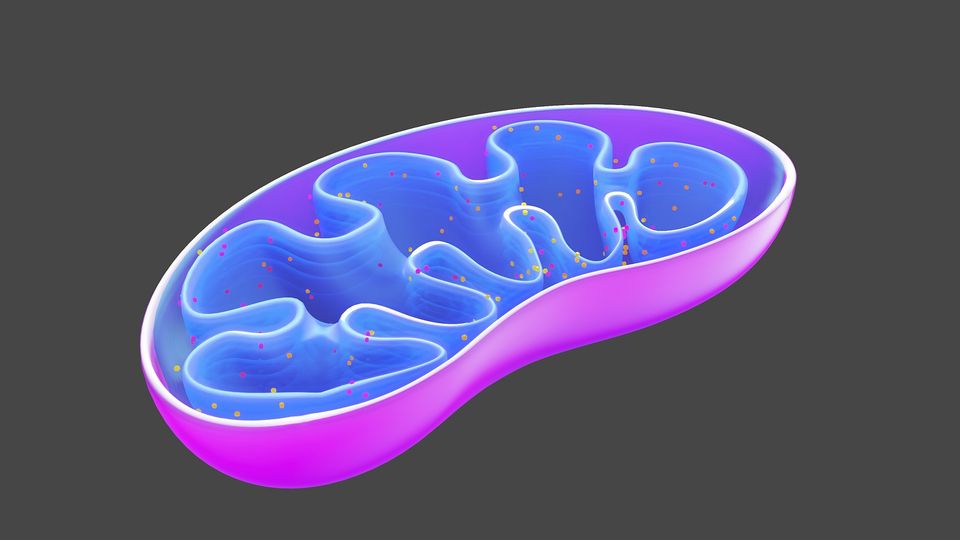
Researchers at The University of Texas MD Anderson Cancer Center have found that a mitochondrial enzyme, GFER, creates an immunosuppressive environment within pancreatic tumors, leading to treatment resistance.
The study, published in Cancer Research, demonstrated that inhibiting GFER in combination with immune checkpoint blockade results in a strong antitumor response in preclinical models, highlighting a potential therapeutic strategy for patients with pancreatic cancer. The research was led by Ziheng Chen, Ph.D., in the laboratory of corresponding author Giulio Draetta, M.D., Ph.D., professor of Genomic Medicine and chief scientific officer at MD Anderson.
“These findings highlight a crucial and promising target for pancreatic cancer, which is notoriously difficult to treat,” Draetta said. “Understanding the basic science of how pancreatic tumors become immunosuppressive lays the foundation for the development of effective therapeutic strategies that can help patients in need of better treatment options.”
Why is pancreatic cancer so hard to treat?
Pancreatic cancer is highly aggressive and has a unique immunosuppressive tumor microenvironment that makes it resistant to different treatments. One suspected cause is mitochondrial activity, which can create an immunosuppressive environment by altering tumor metabolism. This, in turn, impairs immune cell function, triggers inflammation, and leads to treatment resistance. Therefore, the researchers in this study decided to screen for and study possible targets within the mitochondria.How does GFER affect tumor growth and the immune microenvironment?
GFER is an important mitochondrial protein responsible for processes such as oxidative phosphorylation, which fuels normal energetic processes. However, its role in tumor growth is unknown.Through genomic screening, the researchers identified GFER and three other genes related to mitochondrial metabolism that are essential for pancreatic tumor growth. Specifically, they disrupted oxidative phosphorylation by inhibiting GFER, which interfered with the cell cycle, blocked fuel sources and caused stress that prevented tumor cell growth in preclinical models. Suppressing GFER also stimulated the immune system, making cancer cells more sensitive to immune checkpoint blockade and significantly improving the antitumor response.
How does this help in the development of pancreatic cancer treatments?
These findings show that GFER is a key component in changing the immunosuppressive environment in pancreatic cancer. Therefore, targeting GFER in patients with pancreatic cancer could sensitize them to treatment with immune checkpoint blockade, highlighting its potential to improve outcomes. Clinical trials are still needed to confirm that this two-pronged approach will work in humans.
Reference: Chen Z, Ho IL, Liu J, et al. GFER represents a target for dual disruption of redox homeostasis and reactivation of the immune response in pancreatic adenocarcinoma. Cancer Res. 2025. doi: 10.1158/0008-5472.CAN-24-4211
This article has been republished from the following materials. Note: material may have been edited for length and content. For further information, please contact the cited source. Our press release publishing policy can be accessed here.
 Add Technology Networks as a preferred Google source to see more of our trusted coverage.

