
Fungal Identification Assays For Biopharmaceutical Environmental Monitoring
App Note / Case Study
Published: September 24, 2026
Brought to you by
Thermo Fisher Scientific
Thermo Fisher Scientific is the world leader in serving science. They provide cutting-edge technologies, innovative solutions and comprehensive services to a diverse range of industries, including pharmaceuticals, biotechnology, academia and healthcare. Their commitment to excellence and customer satisfaction drives them to continually push the boundaries of science and technology.
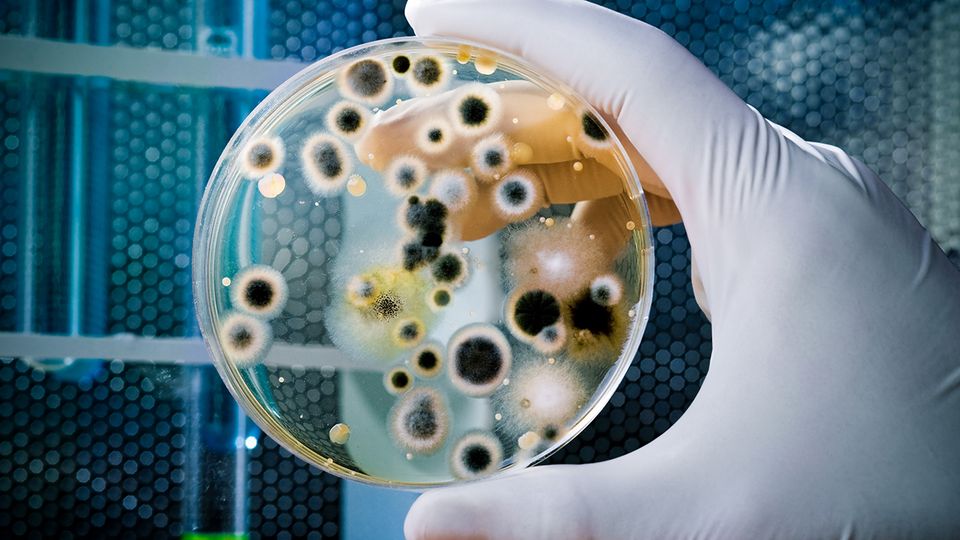
Credit: iStock.
Accurately identifying fungi remains a persistent challenge in biopharmaceutical environmental monitoring.
Labs need reliable, species-level identification methods that streamline investigations and increase confidence in environmental monitoring data.
This application note compares three molecular assays targeting key genomic regions used for fungal speciation.
Download the application note to explore:
- Full ITS, D2, and ITS2 assays performed across 27 fungal species
- Differences between assays in species-level identification and reference library matches
- Factors affecting assay performance, including target region, DNA input amount, and reference library curation
Evaluation of commercial assays for fungal speciation
in environmental monitoring
Pharma analytics
Application note | MicroSEQ Rapid Microbial Identification System
Abstract
Reliable fungal identification remains a challenge in environmental
monitoring, where inconsistent resolution across methods can
delay investigations and complicate data interpretation. This
study evaluates the performance of three molecular assays
targeting key genomic regions used for fungal identification: the
D2 region of rDNA, the full internal transcribed spacer (ITS) region
(ITS1 and ITS2), and a partial ITS region (ITS2 only).
A total of 27 fungal species were analyzed using sequencingbased
workflows and compared against their respective
reference libraries. The full ITS assay, supported by the Applied
Biosystems™ MicroSEQ™ ID ITS Fungal Gene Library v1.0,
showed consistent amplification, high sequencing success
rates, and accurate species-level identification, with 23
species correctly identified at ≥99% sequence match. The
Applied Biosystems™ Fast MicroSEQ™ D2 assay demonstrated
comparable amplification and sequencing performance, with
differences in species-level resolution observed for certain
genera, reflecting variation in reference library coverage. The
ITS2 assay showed lower overall performance, with reduced
amplification success and identification rates, particularly for
samples with low DNA input.
These results highlight the importance of target region selection
and reference library design in fungal identification workflows.
Among the methods evaluated, the full ITS region provided
consistent species-level identification across the organisms
tested, supporting its application in environmental monitoring
programs.
Introduction
There are an estimated 1.5 to 3.5 million fungal species across
global ecosystems, healthcare, food production, and other
industries, making fungi one of the largest groups of living
organisms. In biopharmaceutical manufacturing, accurate fungal
identification remains a persistent challenge in environmental
monitoring programs, where inconsistent identification results
and reliance on multiple methods can delay investigations and
complicate data interpretation.
Commonly used approaches, including biochemical methods,
MALDI-TOF, and targeted molecular assays, support routine
identification but may not consistently provide species-level
resolution. In response, some laboratories have developed inhouse
methods to achieve higher-resolution identification, which
can introduce variability and require additional resources to
implement and maintain.
The internal transcribed spacer (ITS) region, located between
the small and large subunit rRNA genes, is widely used for
fungal identification due to its combination of conserved
and highly variable sequences. Commercial assays have
traditionally targeted either the D2 or the ITS2 region of rDNA.
Additional genomic targets, including beta-tubulin, calmodulin,
and cytochrome oxidase genes, may also support species
differentiation in specific applications [1].
In this study, assays targeting the full ITS region were evaluated
alongside D2- and ITS2-based approaches to assess their
performance for fungal species identification within environmental
monitoring workflows.
Materials and methods
Table 1 lists the 27 fungal species evaluated in this study,
representing organisms commonly encountered in environmental
monitoring programs, including those cited in sterility testing
guidelines such as the USP <71>, JP 4.0.6, and EP 2.6.1.
Amplification and cycle sequencing of the D2 region were
performed using the Applied Biosystems™ Fast MicroSEQ™
D2 rDNA fungal identification and sequencing kits (PCR: Cat.
No. 4382397; sequencing: Cat. No. 4347481). The ITS region
was amplified and sequenced using the Applied Biosystems™
MicroSEQ™ ITS rDNA Fungal Identification Kit (Cat. No.
A40005277). ITS2 testing was performed by a third-party vendor
using an in-house workflow. A summary of the workflows and
associated reference libraries used in this application note is
provided in Table 2.
Table 1. List of fungal species for D2, ITS, and ITS2 testing.
PrepMan Ultra reagent—extracted DNA Reference DNA samples
Alternaria alternata Aspergillus brasiliensis
Chrysosporium keratinophilum Aspergillus flavus
Cladosporium cladosporioides Aspergillus fumigatus
Monascus ruber Aspergillus niger
Penicillium chrysogenum Aspergillus sclerotiorum
Rhizomucor pusillus Aspergillus versicolor
Rhizopus oryzae Beauveria bassiana
Sporothrix schenckii Candida albicans
Trichophyton mentagrophytes Candidozyma auris (Candida auris)
Umbelopsis ramanniana Chaetomium globosum
Wickerhamomyces anomalus Cladosporium halotolerans
Cryptococcus neoformans
Penicillium commune
Penicillium expansum
Pseudogymnoascus pannorum
Saccharomyces cerevisiae
Genomic DNA was either purchased or extracted from single
colonies or lyophilized cells using the Applied Biosystems™
PrepMan™ Ultra Sample Preparation Reagent (Cat. No. 4318930).
DNA extracted using the PrepMan Ultra reagent was diluted 10-
fold prior to PCR amplification.
For purchased DNA samples, 0.2 ng per reaction was used for
ITS PCR and 15 ng per reaction was used for D2 PCR reactions.
Each fungal species was tested in triplicate for both the ITS
and D2 assays, while a single specimen was tested for the ITS2
assay. A sample was considered to meet acceptance criteria if it
achieved a specimen score ≥37, a consensus read length >85%,
and a ≥99% match to the reference library.
ITS analysis was performed using two reference libraries: the
Applied Biosystems™ MicroSEQ™ ID Fungal ITS Core Library and
the Applied Biosystems™ MicroSEQ™ ID Fungal ITS Extended
Library.
Table 2. Summary of workflow for fungi testing with D2, ITS, and ITS2 assays.
Process step Process description Fast D2 assay ITS assay ITS2 assay
DNA sample preparation In-house extraction Single colony
(~3 mm) extracted
using PrepMan Ultra
reagent; DNA diluted
10x (or 100x for larger
colonies)
Same as D2 Same as D2
Extracted DNA DNA diluted in
nuclease-free water
prior to PCR
Same as D2 DNA diluted in
TE buffer prior to
PCR
PCR amplification Target region and
amplicon size
D2 region (95–465 bp) Full ITS (ITS1 + ITS2;
158–1251 bp)
ITS2 (~350 bp)
Post-PCR preparation PCR product dilution Not required 5x dilution with nucleasefree
water
Not available
PCR product clean-up Applied Biosystems™
ExoSAP-IT™ Express
PCR Product Cleanup
Same as D2 Not available
Cycle sequencing Sequencing chemistry Fast MicroSEQ
D2 rDNA Fungal
Sequencing Kit
Applied Biosystems™
MicroSEQ™ ITS rDNA
Fungal Sequencing Kit
Not available
Extension product clean-up Purification of sequencing
products
Edge BioSystems
Optima™ DTR Ultra 96-
well Plate
Same as D2 Not available
Capillary electrophoresis DNA sequence generation Applied Biosystems™
SeqStudio™ Flex
Genetic Analyzer
(24-capillary, POP-6™
polymer)
Same as D2 Not available
Data analysis Library and identification
approach
MicroSEQ ID Fungal
Gene Library v2022
(Cat. No. A57314)
MicroSEQ ID Fungal ITS
Library (Core + Extended
or Core only)
Third-party
vendor library
Results
Amplification and sequencing of ITS region
All specimens were successfully amplified and sequenced using
the MicroSEQ ITS assay. A total of 23 species were correctly
identified with ≥99% sequence match when analyzed using both
the MicroSEQ ID Fungal ITS Core Library and the MicroSEQ ID
Fungal ITS Extended Library (Table 3).
Two species, Pseudogymnoascus pannorum and Trichophyton
mentagrophytes, were identified as second-best matches (hit
2), with top hits corresponding to P. carnis and T. interdigitale,
respectively. Chrysosporium keratinophilum and Umbelopsis
ramanniana were not correctly identified using the combined
libraries. Several species produced multiple hits with identical
percentage matches (Table 3).
Reanalysis using the MicroSEQ ID Fungal ITS Core Library
alone improved resolution for select species. Five species
were resolved to a single, specific match, including Aspergillus
fumigatus, Aspergillus versicolor, Chaetomium globosum,
Pseudogymnoascus pannorum, and Sporothrix schenckii (Table
3). Chrysosporium keratinophilum was also correctly identified
using the MicroSEQ ITS Core Library alone. Umbelopsis
ramanniana remained unidentified.
Table 3. The fungi specimens with the correct hit as top match obtained from the analysis with both MicroSEQ
ID Fungal ITS Core Library and the MicroSEQ ID Fungal ITS Extended Library.
Fungi species Core and extended Core
Hit Percent match Hit Percent match
Alternaria alternata Alternaria alternata* 100% Alternaria alternata* 100%
Aspergillus brasiliensis Aspergillus brasiliensis 100% Aspergillus brasiliensis 100%
Aspergillus flavus Aspergillus flavus* 99.99–100% Aspergillus flavus* 99.99–100%
Aspergillus fumigatus Aspergillus fumigatus* 100% Aspergillus fumigatus 100%
Aspergillus niger Aspergillus niger* 100% Aspergillus niger* 100%
Aspergillus sclerotiorum Aspergillus sclerotiorum* 99.99–100% Aspergillus sclerotiorum* 99.99–100%
Aspergillus versicolor Aspergillus versicolor* 99.97–99.99% Aspergillus versicolor 99.97–99.99%
Beauveria bassiana Beauveria bassiana 100% Beauveria bassiana 100%
Candida albicans Candida albicans 100% Candida albicans 100%
Candidozyma auris (Candida
auris)
Candidozyma auris 100% Candidozyma auris 100%
Chaetomium globosum Chaetomium globosum* 100% Chaetomium globosum 100%
Chrysosporium keratinophilum Aphanoascus fulvescens 97.65–97.7% Chrysosporium
keratinophilum
97.52–97.6%
Cladosporium cladosporioides Cladosporium
cladosporioides*
100% Cladosporium
cladosporioides*
100%
Cladosporium halotolerans Cladosporium halotolerans* 100% Cladosporium halotolerans* 100%
Cryptococcus neoformans Cryptococcus neoformans* 100% Cryptococcus neoformans* 100%
Monascus ruber Monascus ruber* 99.99–100% Monascus ruber (2/3)/
purpureus (1/3)
100%
Penicillium chrysogenum Penicillium chrysogenum* 99.80% Penicillium chrysogenum* 99.80%
Penicillium commune Penicillium commune* 100% Penicillium commune* 100%
Penicillium expansum Penicillium expansum* 99.98–100% Penicillium expansum* 99.98–100%
Pseudogymnoascus pannorum Pseudogymnoascus
pannorum†
99.62–99.65% Pseudogymnoascus
pannorum
99.62–99.65%
Rhizomucor pusillus Rhizomucor pusillus 99.99–100% Rhizomucor pusillus 99.99–100%
Rhizopus oryzae Rhizopus arrhizus (R. oryzae) 99.99–100% Rhizopus arrhizus (R.
oryzae)
99.99–100%
Saccharomyces cerevisiae Saccharomyces cerevisiae 99.58–99.61% Saccharomyces cerevisiae 99.58–99.61%
Sporothrix schenckii Sporothrix schenckii* 99.72–99.82% Sporothrix schenckii 99.72–99.82%
Trichophyton mentagrophytes Trichophyton
mentagrophytes†
99.52–99.54% Trichophyton
mentagrophytes†
99.52–99.54%
Umbelopsis ramanniana Umbelopsis brunnea* 95.24–99% Umbelopsis ovata 93.98–96.77%
Wickerhamomyces anomalus Wickerhamomyces anomalus 99.89–100% Wickerhamomyces
anomalus
99.89–100%
* Samples hit multiple species when searching against the ITS libraries.
† Samples matched with h2 in the ITS library.
Note: All specimens with at least 2/3 replicates pass the acceptance criteria, unless stated
otherwise in the table.
Comparison of three molecular assays targeting the
ITS, D2, and ITS2 regions
Species identification results for all tested specimens across
the molecular assays are summarized in Table 4. ITS results are
based on analysis using the MicroSEQ ITS Core Library. The
relative ability of the three assays to achieve genus- and specieslevel
resolution is illustrated in the heatmap in Figure 1.
Table 4. Hit results of fungi specimens obtained with ITS, D2, and ITS2 assays.
Fungi species ITS assay‡ D2 assay ITS2 assay
Hit % match Hit % match Hit % match
Alternaria alternata Alternaria alternata* 100% Alternaria alternata 100% No data No data
Aspergillus brasiliensis Aspergillus
brasiliensis
100% Aspergillus brasiliensis* 100% No data No data
Aspergillus flavus Aspergillus flavus* 99.99–
100%
Aspergillus flavus* 100% Aspergillus flavus* 100%
Aspergillus fumigatus Aspergillus fumigatus 100% Aspergillus fumigatus 100% Aspergillus fumigatus 100%
Aspergillus niger Aspergillus niger* 100% Aspergillus niger* 100% No data No data
Aspergillus sclerotiorum Aspergillus
sclerotiorum*
99.99–
100%
Aspergillus sclerotiorum 100% Aspergillus
sclerotiorum*
100%
Aspergillus versicolor Aspergillus versicolor 99.97–
99.99%
Aspergillus versicolor 100% Aspergillus versicolor* 100%
Beauveria bassiana Beauveria bassiana 100% Beauveria bassiana 100% Beauveria bassiana 99.43%
Candida albicans Candida albicans 100% Candida albicans 100% Candida albicans 100%
Candidozyma auris
(Candida auris)
Candidozyma auris 100% Candida auris 100% Candida auris 100%
Chaetomium globosum Chaetomium
globosum
100% Chaetomium globosum* 100% Chaetomium
globosum*
99.71%
Chrysosporium
keratinophilum
Chrysosporium
keratinophilum
97.52–
97.65%
Chrysosporium
keratinophilum†
97.46–
97.49%
No data No data
Cladosporium
cladosporioides
Cladosporium
cladosporioides*
100% Cladosporium
cladosporioides*
100% No data No data
Cladosporium halotolerans Cladosporium
halotolerans*
100% Cladosporium
halotolerans*
100% Cladosporium
halotolerans
99.41%
Cryptococcus neoformans Cryptococcus
neoformans*
100% Cryptococcus neoformans 98.99–
99%
Cryptococcus
neoformans
100%
Monascus ruber Monascus ruber* 100% Monascus ruber 100% No data No data
Penicillium chrysogenum Penicillium
chrysogenum*
99.80% Penicillium chrysogenum* 100% No data No data
Penicillium commune Penicillium
commune*
100% Penicillium commune* 100% Penicillium commune* 100%
Penicillium expansum Penicillium
expansum*
99.98–
100%
Penicillium expansum* 100% Penicillium expansum* 100%
Pseudogymnoascus
pannorum
Pseudogymnoascus
pannorum
99.62–
99.65%
Geomyces
pannorum (current:
Pseudogymnoascus
pannorum)*
100% Pseudogymnoascus
appendiculatus
100%
Rhizomucor pusillus Rhizomucor pusillus 99.99–
100%
Rhizomucor miehei 95.87–
95.95%
No data No data
Rhizopus oryzae Rhizopus arrhizus (R.
oryzae)
99.99–
100%
Rhizopus oryzae 99.87–
100%
No data No data
Saccharomyces cerevisiae Saccharomyces
cerevisiae
99.58–
99.61%
Saccharomyces cerevisiae 100% Saccharomyces
cerevisiae
99.76%
Sporothrix schenckii Sporothrix schenckii 99.72–
99.82%
Sporothrix schenckii 98.48–
98.52%
Sporothrix schenckii 100%
Trichophyton
mentagrophytes
Trichophyton
mentagrophytes†
99.68–
99.7%
Trichophyton
mentagrophytes†
99.26–
99.28%
No data No data
Umbelopsis ramanniana Umbelopsis ovata 93.98–
96.77%
Umbelopsis ovata 99.19–
99.2%
No data No data
Wickerhamomyces
anomalus
Wickerhamomyces
anomalus
99.89–
100%
Wickerhamomyces
anomalus
100% No data No data
* Samples hit multiple species when searching against the ITS libraries.
† Samples matched with h2 in the ITS library.
‡ The ITS results were generated from the MicroSEQ ID Fungal ITS Core Library alone. Three
replicates were performed for each species. The table provides the range of percent match for all 3
replicates. The hit is shown if the species is identified for at least 2 out of 3 replicates.
ITS assay D2 assay ITS2 assay
Alternaria alternata
Aspergillus brasiliensis
Aspergillus flavus
Aspergillus fumigatus
Aspergillus niger
Aspergillus sclerotiorum
Aspergillus versicolor
Beauveria bassiana
Candida albicans
Candidozyma auris (Candida auris)
Chaetomium globosum
Chrysosporium keratinophilum
Cladosporium cladosporioides
Cladospormium halotolerans
Cryptococcus neoformans
Monascus ruber
Penicillium chrysogenum
Penicillium commune
Penicillium expansum
Pseudogymnoascus pannorum
Rhizomucor pusillus
Rhizopus oryzae
Saccharomyces cerevisiae
Sporothrix schenckii
Trichophyton mentagrophytes
Umbelopsis ramanniana
Wickerhamomyces anomalus
Correct ID, >99%
Correct ID, >97% to <99%
Genus-level match
No data
Figure 1. A heatmap that highlights the comparison of three molecular assays in providing correct
ID to genus and species level.
The ITS assay correctly identified 25 of 27 species at ≥99%
sequence match, while the D2 assay identified 22 species at
the same threshold. Of the two species that did not meet the
≥99% match criterion for ITS, one species (Chrysosporium
keratinophilum) was correctly identified with D2 at the species
level with >97% match, and the other (Umbelopsis) was correctly
identified with D2 at >99% species-level match.
The ITS2 assay demonstrated a lower identification rate, with 14
of 27 species identified at ≥99% match. Among the 13 species
that were not identified, 12 did not generate sequence data,
suggesting suboptimal amplification performance under the
conditions evaluated.
For Research Use Only. Not for use in diagnostic procedures. © 2026 Thermo Fisher Scientific Inc. All rights reserved. All
trademarks are the property of Thermo Fisher Scientific and its subsidiaries unless otherwise specified. Optima is a trademark of Edge
BioSystems, Inc. (a Calibre Scientific company) APN-14418350 0626
Learn more at thermofisher.com/fungalits
Conclusion
The MicroSEQ ID Fungal ITS Library is a curated reference
database designed to reflect the diversity of the ITS region
across fungal species. The MicroSEQ ID Fungal ITS Core
Library represents a subset focused on commonly encountered
environmental organisms. Analysis using the MicroSEQ ITS Core
library alone was sufficient to correctly identify most species
evaluated in this study. The MicroSEQ ITS Extended Library
supports interrogation of a broader sequence space, which may
result in multiple matches among closely related species with
highly similar ITS sequences.
Comparison of the ITS and D2 assays demonstrated comparable
amplification and sequencing performance across the species
tested, with differences observed at the identification stage. In
some cases, species that produced multiple matches with one
assay were resolved to a single species using the other, reflecting
differences in the targeted genomic regions and associated
reference libraries. These findings highlight the complementary
nature of ITS and D2 approaches for fungal identification.
Among the three methods evaluated, the ITS2 assay showed
the lowest overall performance, with the highest number
of specimens failing to generate sequence data. All failed
specimens were prepared using the PrepMan Ultra reagent
and had DNA concentrations below the input typically required
for the ITS2 workflow. In contrast, specimens with higher DNA
input were successfully sequenced, indicating that workflow
requirements, particularly DNA input amounts, contributed to the
observed performance differences.
In the results section, one observation was the failure of
Umbelopsis species to meet the acceptance criteria for genuslevel
match (>97%) and species-level match (>99%). Despite
this, the specimens demonstrated good quality metrics, with
specimen scores ranging from 40–42 and clean EPG profiles,
indicating that Umbelopsis ramanniana could be successfully
amplified and sequenced using the in-house ITS assay. However,
phylogenetic analysis based on ITS alone was insufficient
to achieve species-level identification within the Umbelopsis
genus. Some research groups have successfully used D2, as
corroborated by our D2 data, and several other genes (nSSU,
nLSU, act1, MCM7, cox1) to effectively resolve Umbelopsis [2,3].
Overall, the MicroSEQ ITS rDNA Fungal Identification Kit
offers a robust framework for fungal identification. The D2
assay offers complementary capability, and both approaches
showed effective performance across the organisms evaluated.
Differences in identification outcomes reflect the targeted
genomic regions and associated reference libraries. The ITS2
assay exhibited lower success rates under the evaluated
conditions, largely due to DNA input requirements and workflow
differences.
Within environmental monitoring workflows, the ITS assay
delivered consistent species-level identification across a
representative panel of commonly encountered fungi. The data
demonstrate reproducible performance across replicates and the
ability to resolve a broad range of organisms. When combined
with the curated MicroSEQ ID ITS Fungal Gene Library, the ITS
assay helps provide a consistent and scalable approach for
fungal species identification.
References:
1. Clinical and Laboratory Standards Institute (CLSI) MM18-A:2008 Interpretive
Criteria for Identification of Bacteria and Fungi by DNA Target Sequencing, 1st
Edition. Clinical and Laboratory Standards Institute.
2. Ogawa, Y., Sugiyama, M., Hirose, D., Kusama-Eguchi, K., and Tokumasu, S.
(2011). Polyphyly of intraspecific groups of Umbelopsis ramanniana and their
genetic and morphological variation. Mycoscience, 52:91-98. doi: 10.1007/
s10267-010-0074-3
3. Wang, Y., Liu, X., and Zheng, R. (2022). The Umbelopsis ramanniana Sensu
Lato consists of five cryptic species. Journal of Fungi, 8, 895: 1-21. doi:
10.3390/jof8090895
Sponsored by

Thermo Fisher Scientific
Thermo Fisher Scientific is the world leader in serving science. They provide cutting-edge technologies, innovative solutions and comprehensive services to a diverse range of industries, including pharmaceuticals, biotechnology, academia and healthcare. Their commitment to excellence and customer satisfaction drives them to continually push the boundaries of science and technology.
Download the Application Note for FREE Now!
Information you provide will be shared with the sponsors for this content. Technology Networks or its sponsors may contact you to offer you content or products based on your interest in this topic. You may opt-out at any time.
Experiencing issues viewing the form? Click here to access an alternate version

