
How Regular Blood Donors Shape Their Stem Cell Genetics
Frequent blood donation may promote genetic adaptations in blood stem cells, selecting for healthy regeneration.
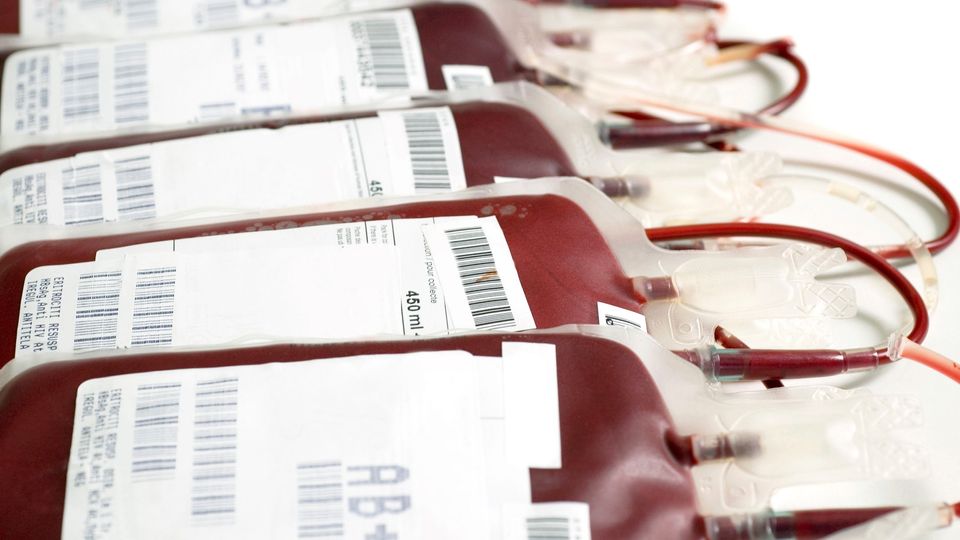
Researchers at the Francis Crick Institute have identified genetic adaptations in blood stem cells of frequent blood donors that support the production of new, non-cancerous cells. The study, published in Blood, examined how repeated blood donation influences the genetic landscape of stem cells in the bone marrow.
As people age, mutations naturally accumulate in blood stem cells, leading to the formation of genetically distinct groups of blood cells called clones. In some cases, these clones contribute to the development of blood cancers such as leukemia. However, regular blood donation places physiological stress on stem cells, requiring them to regenerate lost blood, which may influence which clones become dominant.
Want more breaking news?
Subscribe to Technology Networks’ daily newsletter, delivering breaking science news straight to your inbox every day.
Subscribe for FREEAnalysing blood samples from frequent donors
The researchers analyzed blood samples from more than 200 individuals who had donated blood over 120 times in a 40-year period, comparing them to sporadic donors who had donated less than five times. While both groups displayed similar levels of clonal diversity, their blood cell populations had distinct genetic profiles.
Mutations in DNMT3A, a gene commonly altered in leukemia, were observed in both donor groups. However, the mutations present in frequent donors were in regions of the gene not previously associated with leukemia.
DNMT3A
A gene involved in DNA methylation, a process that regulates gene expression. Mutations in DNMT3A are commonly observed in blood disorders, including leukemia.
To further explore these findings, the team introduced both leukemic and non-leukemic DNMT3A mutations into human stem cells and examined their behavior in different environments.
Impact of blood loss on stem cell mutations
The genetically modified cells were exposed to erythropoietin (EPO), a hormone that stimulates red blood cell production, and to inflammatory conditions simulating infection. The cells carrying mutations found in frequent donors thrived in the EPO-enriched environment but failed to grow under inflammatory conditions. In contrast, cells with known preleukemic mutations responded differently, expanding in inflammatory conditions rather than in response to EPO.
Erythropoietin (EPO)
A hormone produced by the kidneys that stimulates the production of red blood cells in response to low oxygen levels or blood loss.
To assess these mutations in a living system, human stem cells with the two types of mutations were transplanted into mice. Some mice were subjected to blood removal and EPO injections to simulate the physiological stress of blood donation. The cells with frequent donor-associated mutations functioned normally and promoted red blood cell production without developing cancerous properties. In contrast, cells carrying preleukemic mutations led to an overproduction of white blood cells under both normal and stress conditions.
Blood donation and mutation selection
The findings suggest that frequent blood donation may selectively favor stem cells that efficiently respond to blood loss rather than those that contribute to leukemia. However, the researchers caution that their sample size was relatively small and that larger studies are needed to confirm whether blood donation influences the likelihood of preleukemic mutations.
Future research aims to investigate how different types of genetic mutations influence leukemia risk and whether certain mutations could be targeted therapeutically.
Reference: Karpova D, Huerga Encabo H Dr, Donato E, et al. Clonal hematopoiesis landscape in frequent blood donors. Blood. 2025:blood.2024027999. doi: 10.1182/blood.2024027999
This article has been republished from the following materials. Note: material may have been edited for length and content. For further information, please contact the cited source. Our press release publishing policy can be accessed here.
This content includes text that has been generated with the assistance of AI. Technology Networks' AI policy can be found here.
 Add Technology Networks as a preferred Google source to see more of our trusted coverage.

