
Hidden Microbiomes Found Inside Living Trees
Microbes inside living trees vary by species and wood type, shaping gas exchange and nutrient cycling in forests.
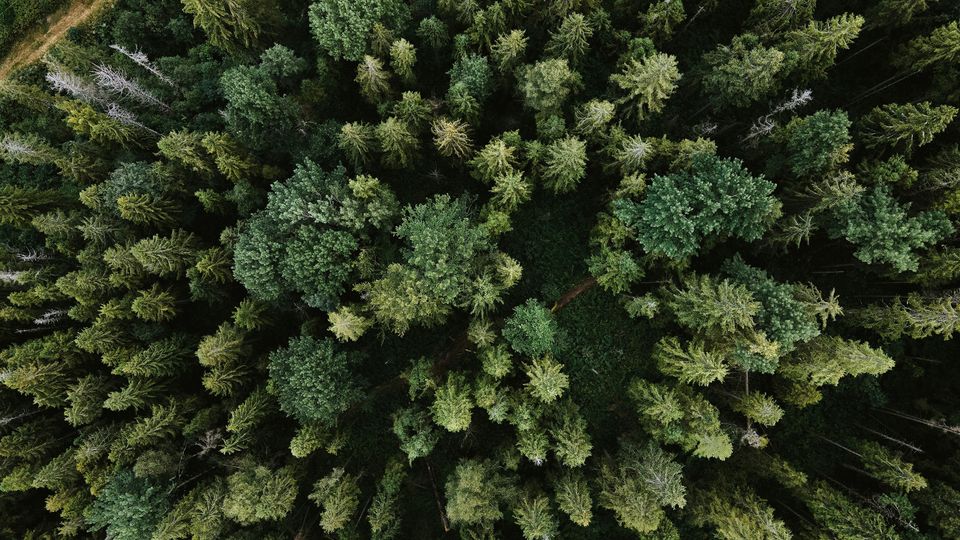
A new study has revealed that the interiors of living trees host unique and functionally active microbial communities, with compositions that vary by tree species and wood type. Researchers at Yale University found that microbes in heartwood and sapwood contribute to biogeochemical processes such as gas production and nutrient cycling, pointing to a previously overlooked dimension of forest ecosystem function.
Most tree microbiome studies have focused on external tissues, such as bark, leaves or roots. In contrast, this study examined 150 trees across 16 species in northeastern United States forests, including at the Yale-Myers Forest site. The results showed that the microbiomes in heartwood (inner wood) and sapwood (outer wood) are compositionally distinct and differ significantly from those in surrounding ecosystems. While the outer wood supports oxygen-dependent microbes, the inner wood is dominated by anaerobic microorganisms that thrive in oxygen-poor conditions.
Anaerobic and aerobic microbes
Anaerobic microbes thrive in environments without oxygen, while aerobic microbes require oxygen for survival. Their distribution within tree tissues is shaped by the availability of oxygen in different wood layers.
Microbial partitioning and species-specific profiles
The team used DNA-based techniques to identify microbial communities, uncovering clear patterns of microbial partitioning. Each wood layer supported different taxa, and these assemblages were largely consistent within the same tree species. For instance, microbial communities within sugar maples differed markedly from those found in pines, indicating a strong host-specific relationship.
These differences were not random. Researchers suggest the communities may have coevolved with their respective tree hosts, influenced by internal microenvironments such as wood density, moisture and oxygen availability.
"We've now learned how each tree species hosts its own distinct microbial community and that this community impacts the functions and health of the tree."
Dr. Jordan Peccia.
Technical advances unlock DNA access in wood
To access DNA from the dense internal tissues, the research team developed a novel sample processing method involving freezing, pulverizing and grinding wood material. This effort enabled high-quality microbial DNA extraction from both heartwood and sapwood layers.
The study also confirmed that these microbiomes are metabolically active. Gas measurements taken from tree cores showed active gas exchange within wood, suggesting microbial involvement in internal biochemical reactions.
Microbiome
A microbiome refers to the community of microorganisms, including bacteria, fungi and archaea, that live in a specific environment.
Implications for ecosystem science and tree health
The findings highlight the role of inner wood microbiomes in broader ecological processes such as carbon cycling and nutrient exchange. These insights build on the parallels with human microbiome research, where the discovery of internal microbial communities led to transformative understanding of health and disease.
Each of the approximately three trillion trees globally may harbor its own distinct microbial assemblage. Documenting this hidden biodiversity before it is altered by climate change may uncover species with roles in promoting tree health, supporting growth or producing novel biochemical compounds.
Reference: Arnold W, Gewirtzman J, Raymond PA, et al. A diverse and distinct microbiome inside living trees. Nature. 2025. doi: 10.1038/s41586-025-09316-0
This article has been republished from the following materials. Note: material may have been edited for length and content. For further information, please contact the cited source. Our press release publishing policy can be accessed here.
This content includes text that has been generated with the assistance of AI. Technology Networks' AI policy can be found here.
 Add Technology Networks as a preferred Google source to see more of our trusted coverage.


