
Study of 12,000 People Finds Long COVID May Worsen Menstrual Symptoms
Long COVID is tied to heavier, longer periods and symptom flare-ups, but ovarian function and fertility remain intact.
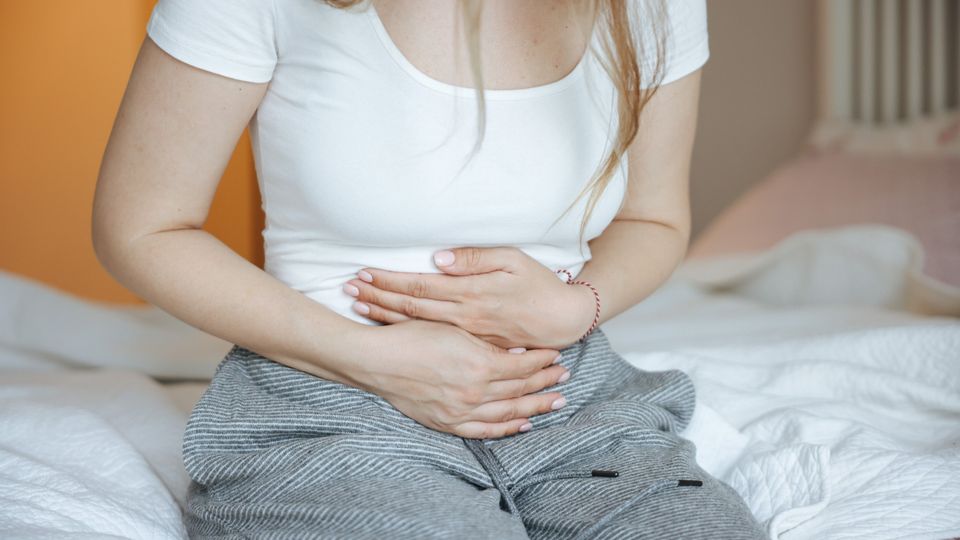
Reports of heavier bleeding and cycle-related flare-ups have raised questions about how long COVID interacts with menstrual health.
A new study led by researchers at the University of Edinburgh offers the clearest answers yet. It found that long COVID was linked to heavier and longer bleeding, while ovarian function remained unaffected.
Long COVID and menstrual health
Long COVID affects a substantial fraction of people who had COVID-19, with reports suggesting that, globally, ~3.7% of infections lead to long COVID. Despite frequent reports of menstrual cycle and reproductive health changes, these issues have received relatively little rigorous study.
Abnormal uterine bleeding (AUB) was already common before the pandemic; up to one-third of women will experience it in their lives. Heavy menstrual bleeding, a type of AUB, affects ~20-50% of women.
“Over 800,000 women seek treatment for heavy menstrual bleeding per year in the UK alone, with many more suffering in silence,” said the authors.
Prior studies observed menstrual changes after COVID-19 infection or vaccination. Yet research in this area is still limited.
“These menstrual symptoms can have a profoundly negative impact on quality of life, interfering with physical, social, mental and material wellbeing,” the authors added.
The researchers used three complementary approaches to understand how long COVID affects menstrual health, symptom patterns across the cycle and underlying biological mechanisms.
Long COVID study shows abnormal bleeding
The team surveyed almost 12,200 people in the UK, including 9,423 people who had never had COVID-19, 1,716 who had recovered from acute infection and 1,048 living with long COVID. They then tracked 54 women with long COVID over multiple menstrual cycles using daily app entries and collected serum and endometrial tissue samples from 10 individuals with long COVID, comparing them with controls.
Participants with long COVID in the large survey reported heavier bleeding, periods lasting longer than eight days, bleeding between periods and more missed or stopped periods. Menstrual frequency and cycle regularity did not differ across groups. Those who had experienced acute COVID but recovered showed only mild, mostly non-significant changes.
In the symptom-tracking study, long COVID symptoms such as fatigue, headache, dizziness and muscle pain were more severe in the peri-menstrual phase and the early phase of the cycle.
Biological samples provided clues to potential mechanisms. Ovarian function appeared intact, as levels of estradiol, progesterone and anti-müllerian hormone were not significantly different between groups.
However, those with long COVID had higher circulating levels of the hormone 5α-dihydrotestosterone during the secretory phase. They also showed lower expression of androgen and progesterone receptors in endometrial tissue, alongside signs of inflammation. Endometrial biopsies revealed disrupted cytokine patterns and unusual clustering of immune cells, suggesting a role for local immune responses in menstrual disturbance during long COVID.
5α-dihydrotestosterone
5α-dihydrotestosterone (DHT) is a potent androgen, or male sex hormone, made from testosterone in the body.
Long COVID health risks, treatment needs and future directions
The study points to a two-way link: menstrual cycle hormones and inflammation appear to influence the severity of long COVID symptoms, while long COVID itself disrupts menstrual patterns.


How to Build an Effective Flow Cytometry Panel
This guide highlights strategies and solutions for building an effective flow cytometry panel to ensure reliable, reproducible data.View How To Guide
However, the study found no evidence of lasting ovarian damage or loss of fertility. Instead, the changes seem to come from altered hormonal signaling within the endometrium and immune responses.
The results also highlight possible therapeutic targets, including androgen pathways and inflammatory mediators.
Future studies will need larger and more diverse groups, with a deeper analysis of how hormones and inflammation interact. Clinical trials could test whether therapies that control bleeding or target inflammation help manage long COVID symptoms.
“We recommend future investigation of specific treatments for AUB in those with long COVID, consideration of the menstrual cycle in future long COVID biomarker development and a focus on female-specific treatments for long COVID,” the authors concluded.
Reference: Maybin JA, Walker C, Watters M, et al. The potential bidirectional relationship between long COVID and menstruation. Nat Comm. 2025. doi: 10.1038/s41467-025-62965-7
This article is a rework of a press release issued by Springer Nature. Material has been edited for length and content.
 Add Technology Networks as a preferred Google source to see more of our trusted coverage.


