
Overcome the Biggest Bottleneck in FFPE Sample Prep
Whitepaper
Published: August 21, 2026
Brought to you by
Covaris
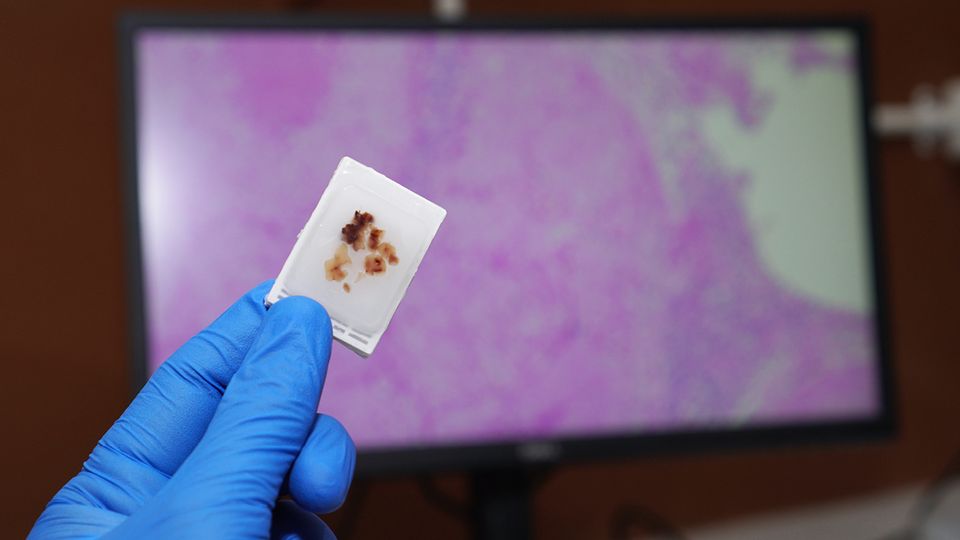
Credit: iStock.
FFPE tissue remains the gold standard for long-term sample preservation, but extracting usable DNA and RNA for next-generation sequencing continues to be one of the most unreliable steps in the workflow.
Traditional deparaffinization methods rely on hazardous organic solvents, require multiple manual washes, and often leave researchers with fragmented, degraded nucleic acids that compromise downstream results.
The latest acoustic-based extraction approaches remove paraffin and rehydrate tissue in minutes, using aqueous buffers instead of toxic chemicals.
This whitepaper breaks down exactly how the process works and what it means for labs handling FFPE samples at scale.
Download this whitepaper to learn:
- Why traditional xylene-based deparaffinization puts sample quality, safety, and scalability at risk
- How a solvent-free extraction method delivered usable RNA in 90 of 90 samples tested, versus 6 of 79
- How to simultaneously extract high-quality DNA and RNA from the same FFPE sample
Sponsored by

Download the Whitepaper for FREE Now!
Information you provide will be shared with the sponsors for this content. Technology Networks or its sponsors may contact you to offer you content or products based on your interest in this topic. You may opt-out at any time.
Experiencing issues viewing the form? Click here to access an alternate version

