
Master Regulator Coordinates Human Brain Development
The gene HNRNPU coordinates several fundamental molecular processes during the early stages of human brain development.
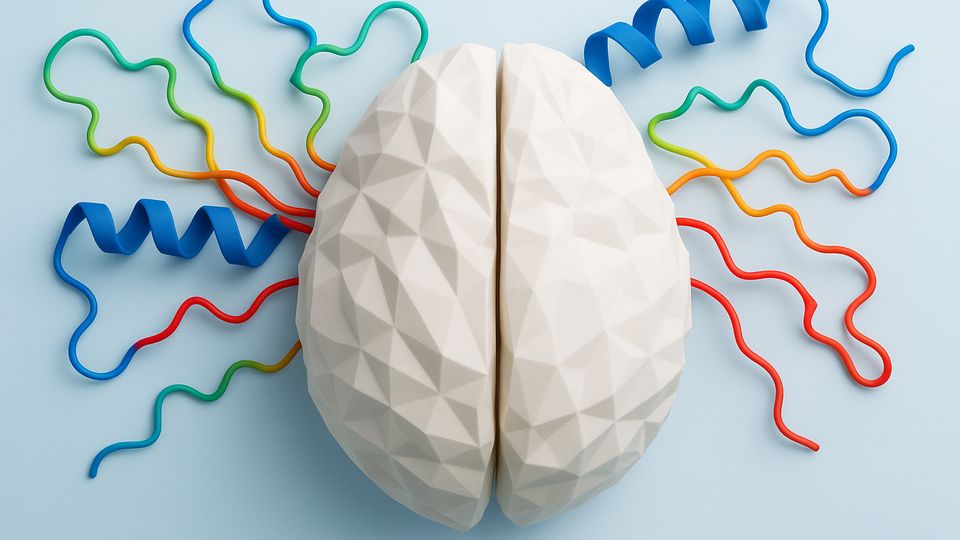
New findings from Karolinska Institutet reveal how the gene HNRNPU coordinates several fundamental molecular processes during the earliest stages of human brain development. The study is published in Nucleic Acids Research and helps explain why children with pathogenic variants in HNRNPU often develop severe neurodevelopmental disorders, including intellectual disability, autism, and epilepsy.
Researchers at the Center of Neurodevelopmental Disorders at Karolinska Institutet (KIND) examined how HNRNPU functions in human neural stem cells and in early developing neurons.
“Although HNRNPU is well known as an RNA‑binding protein, we haven’t fully understood its broader role during early brain development until now,” says Marika Oksanen, first author and researcher at KIND, which is part of the Department of women’s and children’s health.
By mapping the gene’s interactions at multiple molecular levels, the study shows that HNRNPU functions as a central orchestrator — a “master regulator” — that links together gene expression, RNA processing, protein synthesis and epigenetic regulation.
Coordinates several key systems at once
Using advanced proteomics, a technique to analyse many proteins at once, together with RNA‑mapping and genome‑wide DNA methylation profiling, the researchers identified hundreds of molecules that interact with HNRNPU in early neural cells. Many of these molecules are important for how neurons grow, migrate and connect.
One important observation was that HNRNPU interacts with the SWI/SNF (BAF) chromatin‑remodelling complex, a group of proteins known to shape which genes become activated during brain development and also associated with neurodevelopmental disorders. The study also identified a previously unrecognized role for HNRNPU in fine‑tuning translation, the process by which cells produce proteins from RNA.
“These findings show that HNRNPU sits at the crossroads of several key regulatory layers,” says Marika Oksanen. “When HNRNPU is disrupted, the consequences spread across many molecular systems, which helps explain the broad symptoms observed in individuals with pathogenic variants.”
The researchers also studied how reducing HNRNPU levels affects DNA methylation, the chemical markings on DNA that help regulate when genes are switched on.
Epigenetic changes may delay neural maturation
During typical brain development, methylation patterns shift as neural cells mature. In cells with lowered HNRNPU levels, the team observed abnormal methylation at the promoters of genes – the DNA regions that help control when a gene is switched on – that are important for early neural differentiation. These altered patterns suggest that cells lacking HNRNPU may struggle to transition into more mature neural states, potentially slowing aspects of brain development.
Broader insights into neurodevelopmental disorders
Pathogenic variants in HNRNPU are known to cause a rare but severe neurodevelopmental disorder involving developmental delay, epilepsy and autism. By showing how deeply embedded HNRNPU is in the regulation of early neurodevelopmental pathways, the study provides a clearer picture of why a single gene can influence so many aspects of brain development.
The researchers also identified 19 key genes affected at multiple levels — through changes in RNA binding, protein interactions and DNA methylation — that represent potential targets for future mechanistic or therapeutic studies.
By mapping the molecular landscape of HNRNPU, we are beginning to understand how one gene can influence many steps of early brain development,” says Kristiina Tammimies, senior author and research group leader at KIND. “This work lays the groundwork for future studies exploring how to counteract the downstream effects of HNRNPU deficiency.”
The work was conducted using human induced pluripotent stem cell‑derived neural models that enabled the researchers to study the earliest stages of neural development. The analyses included protein–protein interaction mapping, identification of RNA molecules bound by HNRNPU, and genome‑wide DNA methylation profiling after reducing HNRNPU levels.
Reference: Oksanen M, Mastropasqua F, Mazan-Mamczarz K, et al. Molecular interactome of HNRNPU reveals regulatory networks in neuronal differentiation and DNA methylation. Nucleic Acids Res. 2026;54(4):gkag107. doi:10.1093/nar/gkag107
This article has been republished from the following materials. Note: material may have been edited for length and content. For further information, please contact the cited source. Our press release publishing policy can be accessed here.
 Add Technology Networks as a preferred Google source to see more of our trusted coverage.

