
Bipolar Disorder May Share Overlap With Neurodegenerative Mechanisms
Protein abnormalities in the thalamus and temporal lobe may link bipolar disorder to neurodegenerative mechanisms.
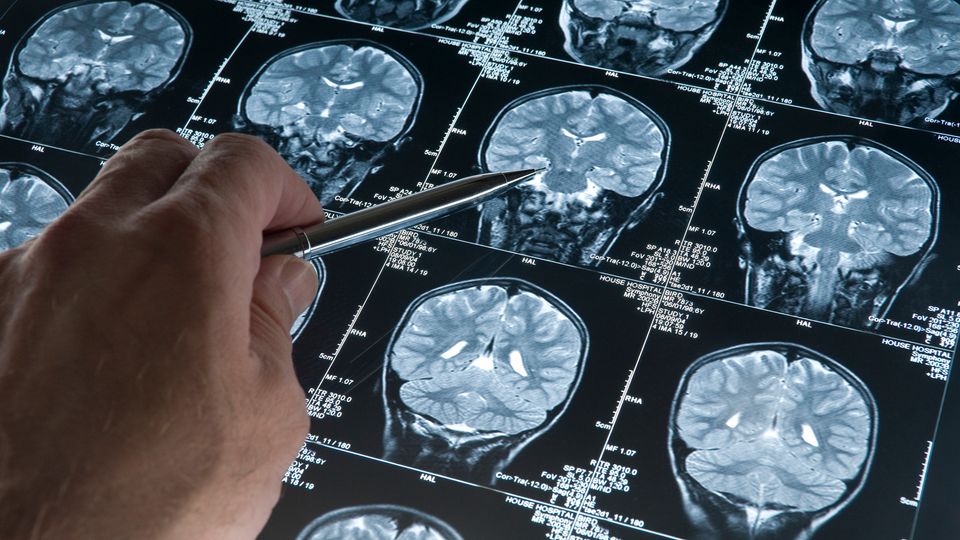
Researchers in Japan have uncovered neuropathological features in the brains of people diagnosed with bipolar disorder (BD), identifying protein abnormalities in the paraventricular thalamus and medial temporal lobe. The findings, published on September 2, 2025, in Psychiatry and Clinical Neurosciences, reinforce the role of specific brain regions in the biology of BD and suggest a potential overlap with neurodegenerative mechanisms.
Investigating underexplored brain regions
BD is a chronic psychiatric condition marked by recurring episodes of depression and mania. While it significantly contributes to global disability, the biological basis of the disorder remains poorly understood. Prior research has suggested mitochondrial dysfunction and broader cellular abnormalities, but specific brain regions and protein-level changes have not been clearly established.
A research team led by investigators at Juntendo University Graduate School of Medicine and Tokyo Metropolitan Matsuzawa Hospital focused on the paraventricular thalamus and medial temporal regions, which are implicated in emotion and cognition. Previous studies using animal models have linked these areas to mood dysregulation, but direct human postmortem evidence has been limited.
"Although animal models have pointed to the involvement of the paraventricular thalamic nucleus in the pathophysiology of BD, neuropathological knowledge is limited."
Dr. Tadafumi Kato.
Paraventricular thalamus
A brain region involved in regulating arousal, stress responses and emotional behaviorsAnalysis of neurodegenerative markers
The study used immunohistochemical analysis to assess postmortem tissue from individuals with and without BD. Researchers targeted multiple markers commonly associated with neurodegenerative conditions, including phosphorylated tau, amyloid β, α-synuclein and TDP-43. They also assessed indicators of granulovacuolar degeneration (GVD), particularly CHMP2B and CK-1δ.
Neurofibrillary tangles
Aggregates of hyperphosphorylated tau protein found within neurons.Granulovacuolar degeneration (GVD)
A type of neuronal degeneration characterized by cytoplasmic granules within vacuoles.
CHMP2B
A component of the endosomal sorting complex required for transport (ESCRT), involved in cellular waste processing.Results showed that individuals with BD had higher neurofibrillary tangle (NFT) stages, a hallmark of tau pathology, and a greater presence of argyrophilic grains. Both findings are typically associated with aging and are linked to the accumulation of tau in neurons.
Notably, CHMP2B-positive GVD was observed in the paraventricular thalamus in approximately half of the BD cases. This feature had not been previously reported in this brain region in the context of BD.
Building a clearer biological picture
The presence of elevated tau pathology and GVD in the paraventricular thalamus adds to a growing body of evidence supporting BD as a condition with discernible brain-based changes. These protein abnormalities may be involved in the pathophysiology of the disorder, particularly in relation to aging and disease onset.
Although the study does not offer direct insight into how these protein accumulations affect clinical symptoms, it provides a foundation for future research into biological targets for BD. Importantly, these findings come from postmortem tissue and do not necessarily reflect live brain processes or causation.
Reference: Nagakura A, Kawakami I, Kimura A, et al. Increased granulovacuolar degeneration in the thalamus and higher neurofibrillary tangle Braak stages in bipolar disorder. Psychiatry Clin Neurosci. 2025:pcn.13891. doi: 10.1111/pcn.13891
This article has been republished from the following materials. Note: material may have been edited for length and content. For further information, please contact the cited source. Our press release publishing policy can be accessed here.
This content includes text that has been generated with the assistance of AI. Technology Networks' AI policy can be found here.
 Add Technology Networks as a preferred Google source to see more of our trusted coverage.

