
Palmitic Acid From Gut Bacteria Increases Blot Clot Risk
Researchers have shown how a high-fat diet increases palmitic acid release from gut bacteria, in turn increasing clot risk.
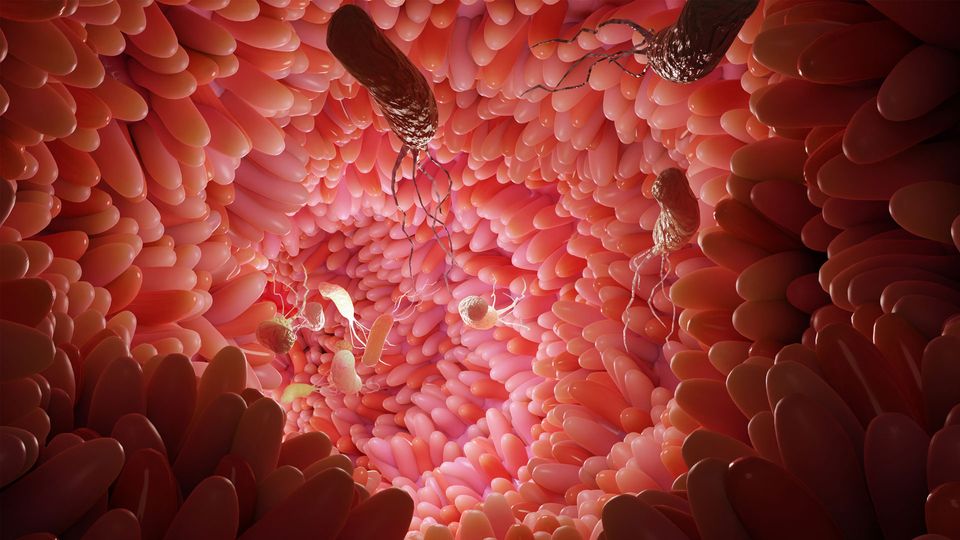
In a collaborative research effort, Prof. LAI Ren from the Kunming Institute of Zoology of the Chinese Academy of Sciences, together with Prof. NI Heyu from the University of Toronto, has uncovered a novel link between gut microbiota-derived palmitic acid (PA) and increased thrombosis risk in cardiovascular disease (CVD).
Their findings, published in Cell Reports Medicine, reveal how a high-fat diet elevates circulating PA via gut bacteria and induce hypercoagulation.
A growing number of studies link gut microbiota to CVD. Host diet and macronutrients are key mediators that link the interactions between host and gut microbiota. Circulating palmitic acid (PA) primarily originates from diet and endogenous synthesis, and elevated level is typically correlated with an increased risk of CVD. However, it is unclear whether gut microbiota modulate circulating PA and thrombosis, the core pathological process in CVD.
In this study, the researchers found significantly higher levels of circulating PA and hypercoagulable states in patients with CVD compared to healthy controls. Furthermore, the relative abundance of BT was significantly higher in the CVD group, showing an approximate 2.18-fold increase compared to the healthy control group.
By screening the effect of PA on coagulant and anti-coagulant proteins, the researchers found that PA acts as an inhibitor of APC, which is a key component in a physiological anticoagulant system. In addition, PA promotes platelet activation, which may subsequently affect platelet-mediated thrombosis. The procoagulant ability of PA was further confirmed in mouse models.
Then they analyzed the metabolites of gut BT strains and found that the BT strains could produce PA in vitro. Mice colonized with BT exhibited elevated plasma PA levels and a corresponding hypercoagulable state, suggesting a causal role of this gut microbe in modulating host thrombosis risk.
Dietary habits of the host directly impact the composition and function of gut microbiome. Notably, a high-fat diet promoted the colonization of BT in host, increased plasma PA levels of host, and then induced hypercoagulation.
Hesperidin, an abundant and economical dietary bioflavonoid, blocks the PA-APC interaction, preventing hypercoagulation induced by PA or BT transplantation. This reveals a novel anti-coagulation mechanism of this dietary compound.
Therefore, the high-fat diet-gut microbiota-palmitic acid axis may reveal a novel pathophysiological mechanism associated with CVD risk.
Reference: Huang X, Tang X, He Q, et al. High-fat diet increases circulating palmitic acid produced by gut Bacteroides thetaiotaomicron to promote thrombosis. CR Med. 2025. doi: 10.1016/j.xcrm.2025.102260
This article has been republished from the following materials. Note: material may have been edited for length and content. For further information, please contact the cited source. Our press release publishing policy can be accessed here.
 Add Technology Networks as a preferred Google source to see more of our trusted coverage.

