

Why Some UTIs in Pregnancy Lead to Preterm Birth
Preclinical work suggests that maternal immune responses to urinary tract infections may drive preterm birth.
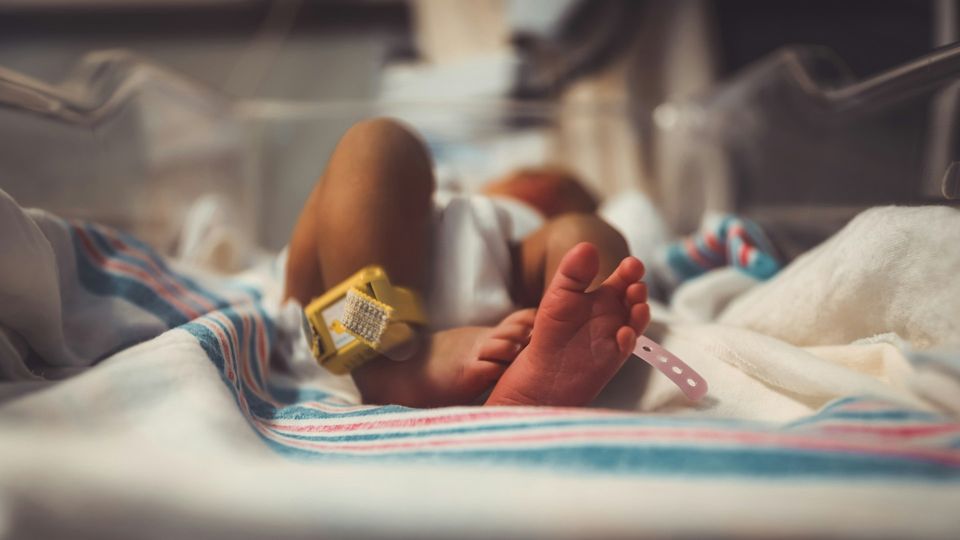
Urinary Tract Infections (UTIs) are common during pregnancy and are associated with an increased risk of preterm birth, which is a leading cause of infant mortality. While this link is well recognized, the biological mechanisms connecting UTIs to preterm birth have remained unclear.
Findings from a new study published in Science Translational Medicine suggest that it is the maternal immune response to infection, rather than the bacteria themselves, that may be driving preterm labor.
Technology Networks spoke to corresponding author Dr. Kathryn A. Patras, associate professor at Baylor College of Medicine, to learn more about the immune mechanisms linking maternal UTIs to preterm birth, why some pregnancies appear more susceptible to infection-associated complications than others, and how these findings could support the development of predictive biomarkers and potential prevention strategies.
How do your findings change our understanding of the role of bacteria versus the maternal immune response in triggering preterm labor?
Katy Patras, PhD (KP):
Preterm birth, the leading cause of neonatal morbidity and mortality, is linked with maternal infection in about 25–40% of cases. We know from clinical data that UTI during pregnancy increases the risk for preterm labor and birth. However, when we first started studying this relationship in the lab, we didn’t know whether the bacteria causing the UTI spread from the bladder to the uterus to cause subsequent infection and preterm labor.
Using a new mouse model, we found that the bacteria themselves typically do not spread to the uterus. Instead, our findings revealed that immune signals initiated in the bladder can travel to the uterus through communication between immune cells within lymph nodes, which coordinate immune responses between different tissues, including the bladder and uterus.
By understanding how these immune signals are transmitted from the bladder to the uterus, we can develop new strategies to predict and prevent preterm birth associated with maternal UTI.
KP:
What has prevented researchers from understanding the mechanism linking UTIs and preterm birth until now?
KP:
One of the biggest challenges that has prevented us from identifying mechanisms has been the lack of an animal model that displays a similar risk of preterm birth and the range of outcomes observed in humans.
Not everyone with a UTI in pregnancy delivers preterm and, most often, pregnant patients do not develop invasive bloodstream infection or sepsis. In contrast, existing mouse models have generally shown either no preterm birth, or nearly 100% preterm birth accompanied by maternal sepsis.
In our mouse model, which we originally developed to compare immune response to UTI in pregnant and non-pregnant mice, we made a serendipitous observation: approximately half of the pregnant mice with UTI delivered preterm, while the remaining mice maintained their pregnancies. This unexpected finding provided us with a model that more closely reflects the range of outcomes observed following UTI during human pregnancy.
KP:
Only half of infected mice experienced preterm labor despite carrying similar bacterial burdens. What does that tell us about susceptibility to infection-associated preterm birth?
KP:
Yes. Approximately half of our mice developed preterm labor, even though all mice received the same number of bacteria and had similar levels of bacterial infection in the urinary tract. This suggested that differences in how individual mice responded to the infection, rather than differences in bacterial burden, might determine whether preterm birth occurred.
We looked at how the mice were responding to the infection across urinary and reproductive tissues using complementary approaches that measured changes in gene expression (transcriptomics), immune signaling (cytokines), and immune cell recruitment and activation (flow cytometry).
We found that mice that developed preterm labor had higher proportions of inflammatory immune cells in the bladder and higher levels of inflammatory molecules (cytokines) in the placenta compared to infected mice that maintained their pregnancies. In contrast, mice that did not deliver preterm had higher levels of the immune-regulatory cytokine, IL-10, in their blood.
Together, these findings suggest that the balance between inflammatory and regulatory immune responses may determine whether maternal UTI progresses to preterm birth.
KP:
What role does IL-10 appear to play in protecting pregnancy during infection?
KP:
IL-10 is generally considered an anti-inflammatory cytokine that regulates multiple immune cell types important for maintaining maternal immune tolerance during pregnancy.
Clinical studies have reported genetic variations and altered IL-10 levels in individuals with recurrent pregnancy loss and preterm birth. In our mouse model, supplementing UTI-infected pregnant mice with IL-10 reduced preterm birth incidence and decreased proportions of inflammatory immune cells in the placenta.
These findings suggest that strategies aimed at regulating maternal inflammation could potentially reduce the risk of preterm birth following UTI, but these studies are very preliminary.
Further research is needed to identify the specific immune pathways that can be targeted to prevent preterm birth while minimizing unintended effects on maternal and fetal health.
KP:
Do your findings suggest that urinary immune markers could eventually help predict or prevent preterm birth in at-risk pregnancies?
KP:
In addition to our mouse model, we collected urine samples from pregnant patients and followed them through delivery to determine birth outcomes. Our cohort included patients with UTI, patients with asymptomatic bacteriuria (presence of bacteria in the urine), and patients with no bacteria detected in their urine.
We measured cytokine levels in the urine and looked for patterns associated with the presence or absence of bacteria, but also looked for patterns associated with birth outcomes. As expected, patients with UTI had higher levels of inflammatory cytokines, but surprisingly, we also found distinct cytokine patterns in patients who delivered preterm compared with those who delivered at term, regardless of whether bacteria were detected in their urine.
Using only four cytokines, we were able to predict birth outcomes with a level of accuracy that could potentially have clinical utility with further development and validation. Importantly, these findings are preliminary and exploratory and they need to be validated in additional patient cohorts to determine whether these cytokine patterns are reproducible.
In future studies, we also plan to investigate additional molecules that may improve prediction of birth outcomes and to examine how cytokine levels change throughout pregnancy within the same individual. Longitudinal measurements may help us better understand when these immune changes emerge and improve our ability to identify patients at risk for preterm birth.
 Add Technology Networks as a preferred Google source to see more of our trusted coverage.



