

Ketamine’s Fast Antidepressant Effects Tracked With Brain Imaging
PET imaging shows that ketamine alters AMPAR activity in the brains of patients with depression.
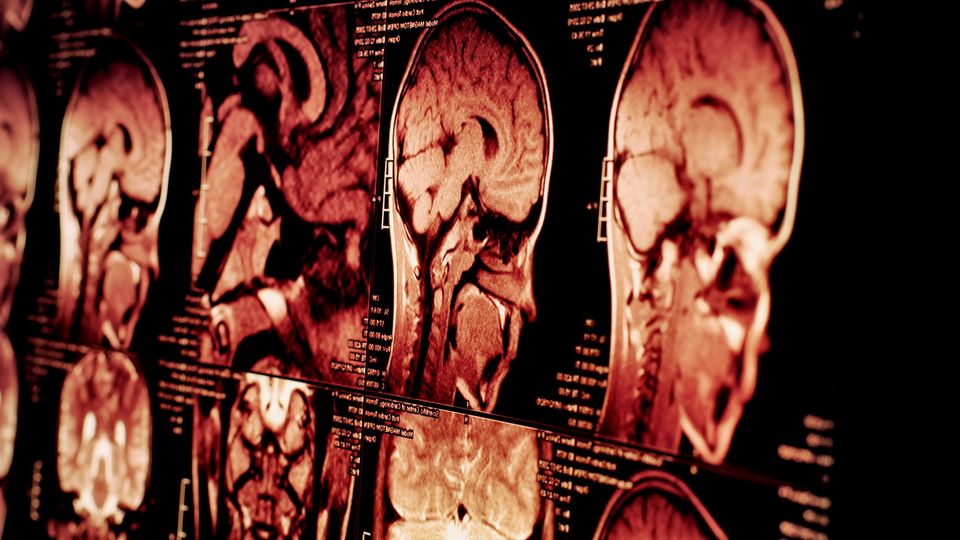
While standard medications fail around a third of patients struggling with depression, ketamine provides a fast-acting alternative that scientists can now finally visualize.
A new study from Yokohama City University demonstrates that the drug’s effectiveness is tied to dynamic changes in AMPA receptors across the living human brain.
The gap in ketamine research
Major depressive disorder is a heavy burden for millions, but the challenge is even steeper for the 30% of patients with treatment-resistant depression (TRD), who do not find relief through standard antidepressants.
Recently, ketamine has emerged as a fast-acting solution for depression. However, “although ketamine has shown rapid antidepressant effects in patients with treatment-resistant depression, its molecular mechanism in the human brain has remained unclear,” explained corresponding author Professor Takuya Takahashi, from the Department of Physiology at Yokohama City University Graduate School of Medicine.
Previous research has relied on animal models to understand ketamine. These preclinical studies suggested the drug works through the glutamate α-amino-3-hydroxy-5-methyl-4-isoxazole propionic acid receptor (AMPAR)—a protein that impacts how brain cells communicate and adapt.
However, until now, verifying this in living humans has proven challenging. Previous human studies used indirect imaging such as MRI, which cannot pinpoint specific receptor activity.
The new study aimed to provide the first direct evidence of AMPAR modulation in humans.
Measuring how ketamine modulates brain receptors
The team used a novel positron emission tomography (PET) tracer, [11C]K-2, which specifically targets cell-surface AMPARs, enabling scientists to visualize receptor density in the living brain. The study analyzed data from three clinical trials in Japan, comparing 34 patients with treatment-resistant depression against 49 healthy participants. Patients received intravenous ketamine or a placebo over 14 days, with PET scans taken before and after the treatment period.
In the initial scans, patients with treatment-resistant depression had widespread receptor abnormalities compared to the healthy group.
When ketamine was introduced, it did not cause a uniform change; instead, it triggered a balancing act across specific regions.
“Using a novel PET tracer, we were able to visualize how ketamine alters AMPAR distribution across specific brain regions and how these changes correlate with improvements in depressive symptoms,” said Takahashi.
The team observed receptor increases in cortical regions responsible for complex thinking. Receptor density also decreased in the habenula, an area linked to the processing of disappointment and pain. By reducing receptor density in this area, ketamine may effectively “turn down” the brain's anti-reward signals.
The scale of these molecular changes mirrored the actual reduction in patient symptoms: the more a patient's receptors shifted in these specific areas, the better they felt.
How ketamine imaging could personalize depression treatment
The findings confirm that ketamine operates by physically reshaping receptor density.
Choosing Your Path to Neural Discovery
This infographic provides a clear comparison of today's leading neural models and maps the critical workflow steps required to generate reliable data.View Infographic
“Ketamine’s antidepressant effect in patients with treatment-resistant depression is mediated by dynamic changes in AMPAR in the living human brain,” Takahashi explained.
This provides a clear biological target for future therapies and opens the door to personalized care. Rather than guessing if a treatment will work, doctors could use PET imaging as a biomarker to identify which patients are likely to respond; this would reduce the trial-and-error approach that currently plagues mental healthcare.
However, the sample size of 34 patients is relatively small for broad clinical conclusions. Larger, more diverse studies are needed to confirm these patterns across different populations. It’s worth noting that the study only followed patients for two weeks, and it is unclear if these receptor changes persist or if they revert over time, which would dictate how often a patient needs a maintenance dose.
PET imaging is also expensive and requires specialized tracers. The high cost could keep the technology in research labs rather than local clinics for now.
While this research is a step forward, making these tools available in standard clinics will remain challenging. Future work must focus on making these diagnostic tools more accessible to the general public.
Reference: Nakajima W, Hatano M, Ohtani Y, et al. The dynamics of AMPA receptors underlies the efficacy of ketamine in treatment resistant patients with depression. Mol Psychiatry. 2026. doi: 10.1038/s41380-026-03510-w
This article is a rework of a press release issued by Yokohama City University. Material has been edited for length and content.
 Add Technology Networks as a preferred Google source to see more of our trusted coverage.



